
Finding inpatient rehab near me can be a life-changing step for someone struggling with addiction or severe mental health issues. Inpatient care provides a controlled environment where medical professionals closely monitor patients and offer treatments tailored to their specific needs.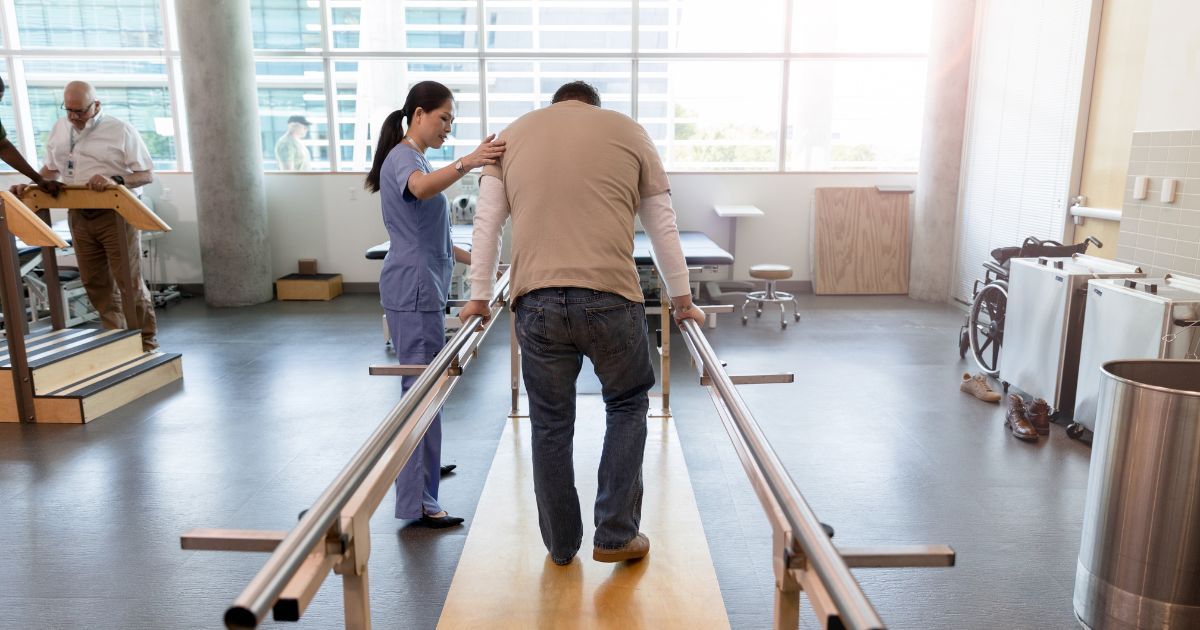
One of the essential components of inpatient care is the use of medications. These medications can help manage withdrawal symptoms, reduce cravings, treat co-occurring mental health disorders, and support long-term recovery.
In this comprehensive guide, we will explore the different types of medications commonly used in inpatient rehab near me, how they work, their benefits and risks, and what to expect during your treatment.
Inpatient Care and Medication
Inpatient care refers to a treatment program where patients live at a medical facility for a period of time. This setting allows 24/7 supervision, structured routines, and immediate medical support. For individuals battling substance use disorders, this environment is crucial, especially during the detox phase, when withdrawal symptoms can be severe.
Medications in inpatient rehab serve several purposes:
-
Managing withdrawal symptoms: Reducing discomfort and preventing dangerous complications.
-
Craving reduction: Helping patients resist the urge to use substances.
-
Treating co-occurring disorders: Addressing mental health conditions like depression, anxiety, or bipolar disorder.
-
Supporting long-term recovery: Maintaining stability and preventing relapse.
Because each patient’s needs differ, medications are carefully selected based on the type of substance used, severity of dependence, physical health, and mental health conditions.
Medications for Alcohol Addiction
Alcohol withdrawal can be dangerous and sometimes life-threatening. Inpatient programs use specific medications to make detox safer and more comfortable.
Benzodiazepines
Benzodiazepines, such as diazepam (Valium), lorazepam (Ativan), and chlordiazepoxide (Librium), are commonly prescribed during alcohol detox.
How they work:
These medications calm the nervous system, reducing symptoms like anxiety, agitation, tremors, and seizures.
Benefits:
-
Prevents severe withdrawal complications such as seizures or delirium tremens (DTs)
-
Reduces anxiety and irritability
-
Helps patients sleep
Risks:
-
Potential for dependence if used long-term
-
Drowsiness or confusion
-
Must be carefully monitored by medical staff
Anti-Seizure Medications
Drugs like carbamazepine or valproate may also be used in inpatient alcohol detox to prevent seizures in high-risk patients.
Naltrexone
While not used during acute detox, naltrexone is prescribed to reduce alcohol cravings after withdrawal. It works by blocking the pleasurable effects of alcohol in the brain, making drinking less rewarding.
Acamprosate
Acamprosate helps restore chemical balance in the brain disrupted by long-term alcohol use. It can reduce cravings and is often started after detox in inpatient settings.
Medications for Opioid Addiction
Opioid withdrawal can be extremely uncomfortable and, in some cases, medically dangerous. Inpatient care provides medications that ease symptoms and help patients transition to recovery.
Methadone
Methadone is a long-acting opioid that prevents withdrawal symptoms and reduces cravings without producing a “high” when used properly.
Benefits:
-
Stabilizes patients during detox
-
Reduces risk of relapse
-
Allows participation in therapy without severe withdrawal
Risks:
-
Can be addictive if not carefully managed
-
Requires daily monitoring
Buprenorphine
Buprenorphine, often combined with naloxone (as in Suboxone), partially activates opioid receptors to relieve withdrawal symptoms and reduce cravings.
Benefits:
-
Safer than methadone due to “ceiling effect”
-
Can be used in both inpatient and outpatient settings
-
Reduces the risk of overdose
Naltrexone
For opioid addiction, naltrexone blocks opioid receptors, preventing the effects of opioids. Patients must complete detox before starting naltrexone.
Medications for Stimulant Addiction
Stimulants like cocaine or methamphetamine do not have FDA-approved medications for addiction, but inpatient programs may use supportive medications to manage withdrawal symptoms.
Anti-Anxiety Medications
Benzodiazepines or other anti-anxiety medications can help with agitation, insomnia, or panic symptoms during stimulant withdrawal.
Antidepressants
Selective serotonin reuptake inhibitors (SSRIs) or other antidepressants may be prescribed to manage depression or mood swings common during early recovery.
Medications for Nicotine Addiction
For patients quitting smoking in inpatient programs, medications can reduce cravings and withdrawal symptoms.
Nicotine Replacement Therapy (NRT)
Patches, gum, or lozenges provide controlled doses of nicotine to ease withdrawal.
Bupropion
This prescription medication reduces nicotine cravings and withdrawal symptoms while also supporting mood stabilization.
Varenicline
Varenicline works on nicotine receptors in the brain to reduce cravings and the pleasure derived from smoking.
Medications for Co-Occurring Mental Health Disorders
Many patients in inpatient rehab have co-occurring disorders, meaning they struggle with both addiction and mental health issues. Medications play a crucial role in stabilizing these conditions.
Antidepressants
SSRIs (e.g., fluoxetine, sertraline) or SNRIs (e.g., venlafaxine) treat depression and anxiety, which can trigger relapse if left unmanaged.
Mood Stabilizers
Medications like lithium or valproate are used for bipolar disorder or severe mood swings.
Antipsychotics
For patients with psychosis or severe agitation, medications such as risperidone or olanzapine may be prescribed.
Anxiolytics
Short-term use of anti-anxiety medications can help manage panic attacks or severe anxiety during early recovery.
How Medications Are Managed in Inpatient Care
Inpatient rehab facilities provide a highly structured environment where medical staff carefully monitor every medication. Key practices include:
-
Medical assessment: Doctors evaluate health history, current conditions, and substance use.
-
Individualized medication plans: Dosages and types of medication are tailored to each patient.
-
Close monitoring: Staff watch for side effects, interactions, and signs of misuse.
-
Combination with therapy: Medications are paired with counseling, behavioral therapy, and support groups.
This integrated approach ensures that medications are used safely and effectively as part of a broader recovery plan.
Benefits of Using Medications in Inpatient Rehab
Medications in inpatient rehab offer several significant advantages:
-
Safety during detox: Reduces life-threatening withdrawal complications
-
Comfort: Makes withdrawal and early recovery more tolerable
-
Craving reduction: Helps patients resist relapse triggers
-
Support for mental health: Treats underlying psychiatric conditions that may contribute to addiction
-
Improved engagement in therapy: When symptoms are managed, patients can fully participate in counseling and skill-building
Potential Risks and Considerations
While medications are highly beneficial, they must be used cautiously. Risks include:
-
Side effects such as drowsiness, nausea, or headaches
-
Potential for dependence or misuse
-
Drug interactions with other prescriptions
-
Need for gradual tapering to prevent withdrawal from the medications themselves
Medical staff in inpatient rehab near me programs are trained to manage these risks effectively, ensuring medications support recovery rather than hinder it.
How to Find the Right Inpatient Rehab
If you or a loved one are considering inpatient treatment, finding the right facility is crucial. When searching for inpatient rehab near me, consider the following:
-
Accreditation and licensing: Ensure the facility meets medical standards
-
Medication management: Ask about the types of medications used and how they are monitored
-
Therapy options: Look for a combination of individual, group, and behavioral therapies
-
Medical support: Ensure 24/7 medical supervision is available
-
Aftercare planning: A good program includes a plan for transitioning out of inpatient care
Visiting multiple facilities or consulting with a medical professional can help you choose the best program for your needs.
Conclusion
Medications are a vital component of inpatient care for addiction and mental health recovery. They help manage withdrawal symptoms, reduce cravings, treat co-occurring disorders, and provide support for long-term recovery. In combination with therapy, counseling, and structured support, medications significantly increase the chances of successful outcomes.
Whether someone is struggling with alcohol, opioids, stimulants, nicotine, or co-occurring mental health conditions, inpatient care ensures that medications are used safely and effectively. By searching for inpatient rehab near me and choosing a reputable facility, patients can access comprehensive medical and therapeutic support in a controlled environment, laying the foundation for lasting recovery.
The key takeaway is that medications are not a standalone solution—they are part of a holistic, medically supervised treatment plan designed to help patients reclaim their lives and maintain long-term sobriety.