
An outpatient treatment program is designed for individuals who require structured support for mental health issues, substance abuse, or behavioral challenges but do not need 24-hour supervision.
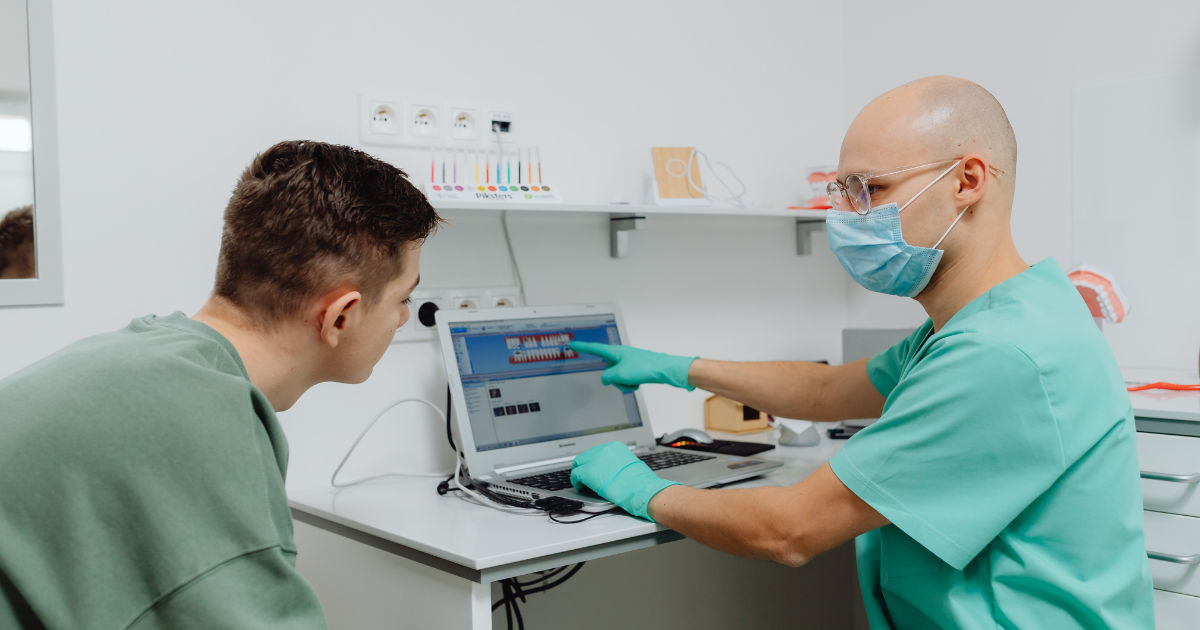
These programs provide therapy, counseling, and medical oversight while allowing participants to live at home and maintain daily responsibilities.
Many people wonder what qualifies someone for an outpatient treatment program.
Understanding the eligibility criteria, types of treatment offered, and benefits of outpatient care is essential for anyone considering this approach.
Who Can Benefit From an Outpatient Treatment Program?
Outpatient treatment programs are not one-size-fits-all. They are most effective for individuals who have mild to moderate symptoms, a stable living environment, and a strong support system. People struggling with addiction, anxiety, depression, or other mental health challenges often find that outpatient programs offer the flexibility they need while still providing professional guidance.
Individuals who have already completed inpatient or residential treatment may also benefit from outpatient care as a step-down program. This allows them to continue recovery while reintegrating into everyday life.
Key Criteria for Outpatient Program Eligibility
The qualifications for an outpatient treatment program vary depending on the facility, but several general criteria are commonly considered:
-
Medical Stability
One of the most critical factors is whether a person is medically stable. Individuals with severe withdrawal symptoms or acute medical conditions may require inpatient care before transitioning to an outpatient program. -
Behavioral Readiness
Outpatient treatment requires a level of personal responsibility. Participants should be motivated to attend therapy sessions, follow treatment plans, and actively engage in their recovery. -
Support System
A strong network of family or friends is often essential. Outpatient programs rely on participants having a safe and supportive environment outside of treatment sessions. -
Severity of Symptoms
Outpatient care is typically suitable for those with mild to moderate substance use disorders, mental health conditions, or co-occurring disorders. Severe cases may require residential treatment first. -
Ability to Maintain Daily Responsibilities
Since outpatient treatment allows individuals to live at home, participants should be able to manage work, school, or family obligations while attending regular sessions.
Different Types of Outpatient Programs
Outpatient treatment programs can vary in intensity and structure. Choosing the right program depends on individual needs, schedules, and recovery goals.
Standard Outpatient Programs
These programs involve a few therapy sessions per week and are suitable for individuals with less severe symptoms. They focus on providing education, coping skills, and basic support.
Intensive Outpatient Programs (IOP)
IOPs are more structured and often require participants to attend multiple sessions each week, sometimes for several hours per day. They provide a higher level of care and support for those who need more guidance than standard outpatient programs offer.
Partial Hospitalization Programs (PHP)
Partial hospitalization programs are the most intensive outpatient treatment option. Participants spend several hours at a treatment center each day but still return home at night. PHPs are ideal for individuals transitioning from inpatient care or for those with severe symptoms that do not require full hospitalization.
Steps to Determine Eligibility
Before enrolling in an outpatient treatment program, individuals usually undergo a thorough assessment. This process helps clinicians understand the patient’s needs, medical history, and level of risk.
Comprehensive Assessment
A detailed evaluation is performed to assess mental health, substance use, and physical health. This may include questionnaires, interviews, and medical exams.
Personalized Treatment Plan
Once the assessment is complete, a treatment plan is developed. This plan outlines the type of therapy, frequency of sessions, and specific goals for recovery. A well-structured plan ensures that outpatient care is tailored to the individual’s needs.
Collaboration With Healthcare Providers
For individuals with co-occurring conditions, collaboration between mental health professionals and medical providers is critical. Coordination ensures that all aspects of health are addressed during treatment.
Benefits of Outpatient Treatment Programs
Outpatient programs offer several advantages over inpatient care, especially for those who meet the qualifications:
-
Flexibility
Participants can continue working, attending school, or caring for family while receiving treatment. This flexibility makes it easier to maintain responsibilities while focusing on recovery. -
Lower Cost
Outpatient treatment is generally less expensive than inpatient care, making it more accessible for many individuals. -
Support From Home Environment
Being able to recover in a familiar setting can help reduce stress and reinforce healthy habits. Family involvement in therapy sessions can also strengthen recovery outcomes. -
Gradual Reintegration
Outpatient programs allow participants to gradually reintegrate into daily life, applying coping strategies and skills learned in therapy in real-world situations.
Who Might Not Qualify for Outpatient Programs?
While outpatient treatment is highly beneficial for many, it is not suitable for everyone. Certain conditions may require more intensive care:
-
Severe withdrawal symptoms or medical instability
-
High risk of self-harm or harm to others
-
Lack of a supportive living environment
-
Severe psychiatric disorders that require 24-hour supervision
In these cases, inpatient or residential programs may be a safer and more effective option.
Questions to Ask Before Choosing an Outpatient Program
Selecting the right outpatient treatment program is a critical step in recovery. Here are some important questions to consider:
-
What types of therapy are offered?
-
How often are sessions scheduled?
-
Are medical professionals available on-site?
-
Does the program accommodate work or school schedules?
-
Are family members involved in treatment?
These questions help ensure the program aligns with your needs and increases the likelihood of long-term success.
Preparing for an Outpatient Treatment Program
Proper preparation can make the transition to outpatient care smoother:
-
Organize Your Schedule
Ensure that work, school, and personal responsibilities can be balanced with treatment sessions. -
Communicate With Family and Friends
Let your support network know about your treatment plans so they can provide encouragement and accountability. -
Set Realistic Goals
Understand that recovery is a process. Setting achievable milestones helps maintain motivation and focus. -
Plan for Challenges
Identify potential triggers or stressors that may affect your progress. Developing strategies in advance can prevent setbacks.
The Role of Therapy in Outpatient Programs
Therapy is the cornerstone of most outpatient treatment programs. Different therapeutic approaches may be used depending on the patient’s needs:
Cognitive Behavioral Therapy (CBT)
CBT helps individuals identify and change negative thought patterns that contribute to unhealthy behaviors. It is particularly effective for anxiety, depression, and addiction.
Group Therapy
Group sessions provide peer support and shared experiences, helping participants feel less isolated. This approach encourages accountability and builds a sense of community.
Individual Therapy
One-on-one therapy allows for personalized attention and tailored strategies for overcoming specific challenges.
Family Therapy
Involving family members in therapy strengthens support networks and addresses relational dynamics that may impact recovery.
Medications and Outpatient Care
Some outpatient programs incorporate medication-assisted treatment (MAT) for conditions like opioid or alcohol use disorder. Medications can help reduce cravings, manage withdrawal symptoms, and support long-term recovery when combined with therapy.
Tracking Progress in Outpatient Programs
Regular monitoring is a key component of outpatient treatment programs. Clinicians track progress through:
-
Session attendance and participation
-
Behavioral changes and coping strategies
-
Feedback from family or support networks
-
Adjustments to the treatment plan as needed
Tracking progress ensures that participants are moving toward recovery goals and allows for timely intervention if challenges arise.
Overcoming Common Challenges
Adjusting to outpatient treatment can be challenging. Common obstacles include balancing responsibilities, dealing with triggers, and maintaining motivation. Strategies to overcome these challenges include:
-
Building a structured daily routine
-
Practicing stress-reduction techniques
-
Staying connected with support groups
-
Celebrating small victories along the way
Persistence and commitment are essential for successful recovery in an outpatient setting.
Long-Term Benefits of Outpatient Programs
Outpatient treatment programs provide skills and tools that promote lasting recovery. Participants often experience:
-
Improved mental health and emotional regulation
-
Stronger coping mechanisms for stress and cravings
-
Enhanced relationships with family and peers
-
Greater independence and confidence in managing life challenges
By continuing to apply what is learned in outpatient care, individuals can maintain stability and prevent relapse.
Conclusion
An outpatient treatment program offers a flexible, supportive, and effective approach for individuals ready to address mental health or substance use challenges while maintaining their daily lives. Qualifying for outpatient care generally requires medical stability, motivation, a supportive environment, and manageable symptoms.
By understanding the eligibility criteria, types of outpatient programs, and the benefits and challenges involved, individuals and their families can make informed decisions about treatment. Outpatient care not only provides structured therapy and support but also empowers participants to take control of their recovery in a safe and familiar environment.
Whether transitioning from inpatient care, seeking support for mild to moderate conditions, or looking to maintain long-term recovery, outpatient treatment programs offer a valuable pathway to improved mental health and overall well-being.
Choosing the right outpatient program involves careful consideration of personal needs, program offerings, and long-term goals. With commitment, proper support, and professional guidance, outpatient treatment programs can help individuals achieve lasting recovery and lead fulfilling lives.