
When planning any formal gathering, whether a corporate gala, wedding, or an important social event, one aspect that often goes unnoticed is Meeting and Event Transportation.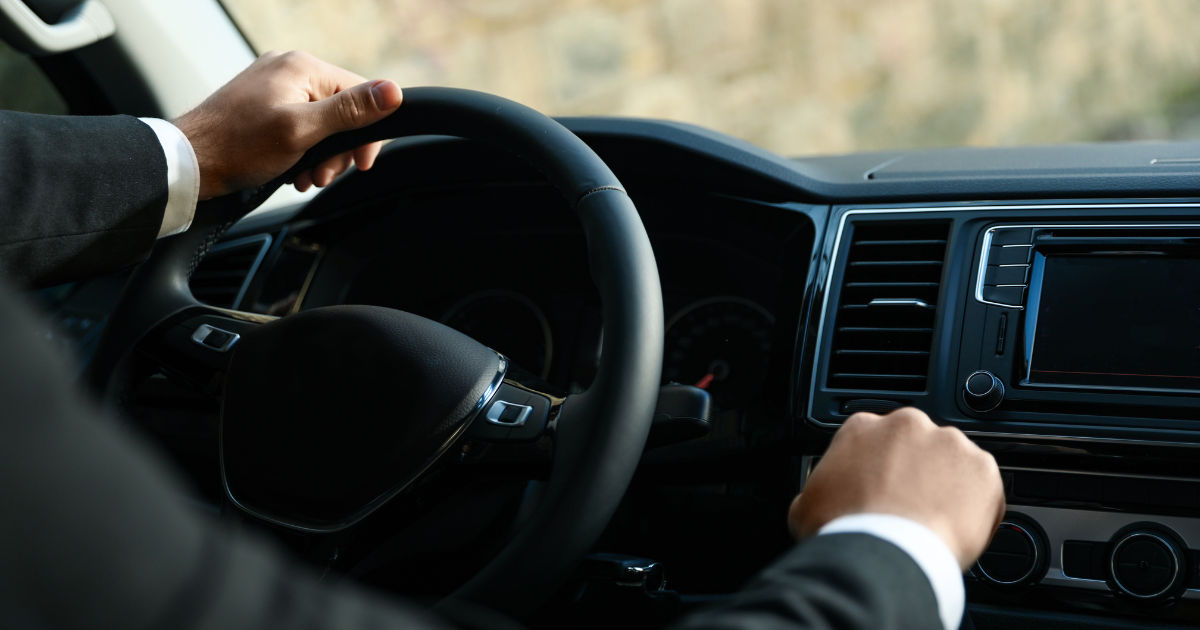
The right chauffeur can make a huge difference in the success of an event, ensuring guests arrive safely, on time, and with comfort.
In this comprehensive guide, we will explore everything a formal event needs from chauffeurs, highlighting the skills, preparation, and professionalism required.
The Role of Chauffeurs in Formal Events
Chauffeurs are not just drivers. For formal events, they serve as ambassadors of hospitality, professionalism, and efficiency. Their role goes beyond simply transporting guests from one location to another. A trained chauffeur understands etiquette, timing, and the importance of creating a positive first impression.
Professional Appearance
For formal events, a chauffeur’s appearance is critical. A polished uniform, clean shoes, and a well-groomed look reflect the event’s professionalism. Event organizers and guests often judge the quality of an event based on small details like the chauffeur’s presentation. Proper attire communicates respect and attention to detail.
Punctuality and Time Management
Time is one of the most valuable assets during formal events. Guests rely on timely transportation to reach venues, photo shoots, or other scheduled activities. A skilled chauffeur must understand the event schedule, traffic patterns, and alternative routes to avoid delays. Punctuality is non-negotiable in Meeting and Event Transportation.
Knowledge of Event Venues
Chauffeurs should be familiar with the venues where the event will take place. This includes knowing entrances, VIP drop-off points, and parking areas. Familiarity with the venue ensures smooth transitions and avoids confusion during the event. Event planners appreciate chauffeurs who know the logistics and can offer guidance.
Key Responsibilities of Chauffeurs at Formal Events
To provide flawless Meeting and Event Transportation, chauffeurs need to perform multiple responsibilities before, during, and after the event. Let’s break these down.
Pre-Event Preparation
Preparation is essential for any chauffeur assigned to a formal event. Some key pre-event tasks include:
-
Vehicle Inspection: Ensure that the vehicle is clean, fueled, and mechanically sound. A late breakdown can disrupt the entire event schedule.
-
Route Planning: Check the best routes, traffic updates, and potential detours. For events in large cities, this can save significant time.
-
Guest Information: Know the guest list, pick-up points, and any special requirements. Some guests may have mobility issues or require additional assistance.
During the Event
Chauffeurs must maintain professionalism throughout the event. Key responsibilities include:
-
Greeting Guests: A polite and courteous greeting sets a positive tone for the event.
-
Safety and Comfort: Drive smoothly, follow traffic regulations, and ensure guests’ comfort. Seat adjustments, climate control, and quietness contribute to a pleasant experience.
-
Flexibility: Events can change unexpectedly. A chauffeur should adapt to last-minute schedule changes or extra stops without creating stress for guests.
Post-Event Duties
The event doesn’t end when guests are dropped off. Post-event responsibilities include:
-
Vehicle Maintenance: Clean and refuel the vehicle to prepare for future assignments.
-
Feedback: Report any issues or delays to the event organizer for future improvements.
-
Assisting Guests: Ensure guests have safely reached their next destination or accommodations.
Special Skills Required for Formal Event Chauffeurs
Not every driver is suited for formal events. There are specific skills that distinguish a professional chauffeur from an ordinary driver.
Communication Skills
Chauffeurs must communicate politely and clearly with guests and event staff. They may provide directions, answer questions, or coordinate with other drivers. Excellent communication ensures the smooth flow of Meeting and Event Transportation.
Discretion and Privacy
Guests at formal events, especially corporate or VIP gatherings, expect discretion. Chauffeurs often deal with sensitive schedules or personal information. Maintaining confidentiality is crucial for building trust and professionalism.
Knowledge of Local Areas
A local chauffeur with knowledge of roads, traffic patterns, and shortcuts is invaluable. This ensures timely arrival and helps avoid unnecessary stress due to unexpected traffic jams. This is particularly important when transporting high-profile guests who cannot afford delays.
Etiquette and Protocol
Chauffeurs attending formal events must be well-versed in proper etiquette. This includes opening doors, assisting with luggage, and maintaining a courteous demeanor at all times. A chauffeur should also be familiar with basic protocol for corporate and social events to avoid embarrassment or awkward situations.
Choosing the Right Vehicle for Formal Events
The vehicle itself is part of the overall impression. Formal events often require high-end vehicles that match the tone and sophistication of the gathering.
Luxury Sedans
Luxury sedans are popular for corporate events and small formal gatherings. They offer comfort, privacy, and a professional appearance. Brands like Mercedes, BMW, and Lexus are preferred due to their smooth ride and prestigious image.
Limousines
For weddings, galas, and red-carpet events, limousines provide elegance and space. Limousines allow guests to travel together, making the experience more social and enjoyable.
SUVs
For events where groups or families attend, SUVs offer space without compromising luxury. They are suitable for outdoor venues, long distances, or inclement weather.
Vehicle Presentation
Regardless of type, vehicles must be spotless inside and out. Attention to details like polished exteriors, fresh interiors, and proper air conditioning adds to the overall impression of professionalism.
Advanced Considerations for Chauffeurs
Formal events often come with unique requirements. Advanced skills and preparation ensure that chauffeurs handle these seamlessly.
Coordination With Event Planners
Chauffeurs should maintain direct communication with event coordinators. Understanding timelines, guest priorities, and unexpected changes ensures smooth transportation.
Handling VIP Guests
High-profile guests require extra attention. This includes discreet driving, respecting privacy, and offering personalized assistance. A professional chauffeur understands these nuances and adapts accordingly.
Emergency Preparedness
Unexpected situations, like traffic jams or vehicle issues, can arise. Chauffeurs should have contingency plans, alternative routes, and a calm demeanor to manage emergencies without causing panic.
Managing Group Transportation
Large events may require multiple vehicles and drivers. Coordinating timing, routes, and drop-offs ensures that all guests arrive simultaneously and comfortably. This requires organization and proactive planning skills.
The Importance of Reliability
Reliability is the backbone of Meeting and Event Transportation. Guests trust chauffeurs to get them to their destinations safely and on time. Unreliable transportation can negatively impact an event, causing delays and frustration for both organizers and guests.
A dependable chauffeur is always prepared, communicates proactively, and anticipates challenges. Their reliability contributes significantly to the overall success of formal events.
Benefits of Hiring Professional Chauffeurs for Formal Events
Hiring a professional chauffeur brings numerous benefits:
-
Stress-Free Experience: Guests can focus on the event rather than transportation logistics.
-
Enhanced Safety: Professional drivers are trained to navigate traffic safely and respond to emergencies.
-
Time Efficiency: Experienced chauffeurs know routes and best practices for punctual arrivals.
-
Positive Impression: A polished chauffeur and clean vehicle enhance the overall reputation of the event.
-
Personalized Service: Professional chauffeurs provide personalized assistance, such as handling luggage, opening doors, and accommodating special needs.
Common Mistakes to Avoid
Even experienced chauffeurs can make errors that impact events. Here are some common mistakes to avoid:
-
Arriving Late: Even a few minutes delay can disrupt event schedules.
-
Unkempt Appearance: A poorly dressed or untidy chauffeur gives a bad first impression.
-
Lack of Communication: Not coordinating with event organizers can cause confusion or delays.
-
Ignoring Guest Comfort: Failing to adjust vehicle settings or assist with luggage reduces guest satisfaction.
-
Inadequate Knowledge of Routes: Unfamiliarity with the area can lead to unnecessary delays.
Avoiding these mistakes ensures that Meeting and Event Transportation is smooth, professional, and reliable.
How to Train Chauffeurs for Formal Events
Proper training is essential for chauffeurs attending formal events. Training programs should include:
-
Customer Service Skills: Focus on etiquette, communication, and guest assistance.
-
Safety Training: Defensive driving, emergency response, and vehicle maintenance.
-
Event Familiarity: Understanding formal events’ schedules, venues, and protocols.
-
Problem-Solving: Strategies to handle unexpected situations calmly and efficiently.
Investing in chauffeur training ensures that events run smoothly and guests enjoy a seamless transportation experience.
Technology and Tools for Chauffeurs
Modern chauffeurs can benefit from technology to enhance service:
-
GPS Navigation Systems: Helps avoid traffic delays and find alternative routes.
-
Scheduling Apps: Allows real-time coordination with event planners and guests.
-
Vehicle Tracking: Ensures security and transparency for organizers and VIP guests.
-
Communication Devices: Enables efficient coordination among multiple chauffeurs and event staff.
Using technology smartly improves efficiency, reliability, and overall guest satisfaction.
Conclusion
Chauffeurs play an essential role in formal events, far beyond simply driving guests from point A to point B. Their professionalism, punctuality, and attention to detail contribute to the success of the event. Meeting and Event Transportation requires chauffeurs to be polished, knowledgeable, discreet, and highly reliable. From pre-event preparation to post-event responsibilities, every detail matters.
For event organizers, hiring professional chauffeurs ensures that guests arrive safely, comfortably, and on time. It enhances the reputation of the event, creates a positive impression, and allows attendees to focus entirely on the purpose of the gathering.
By understanding the responsibilities, skills, and considerations outlined in this guide, organizers and chauffeurs alike can ensure that formal events run smoothly, elegantly, and efficiently.