
Automatic doors have become a staple in modern buildings, from offices and shopping malls to hospitals and airports. These doors offer convenience, accessibility, and efficiency.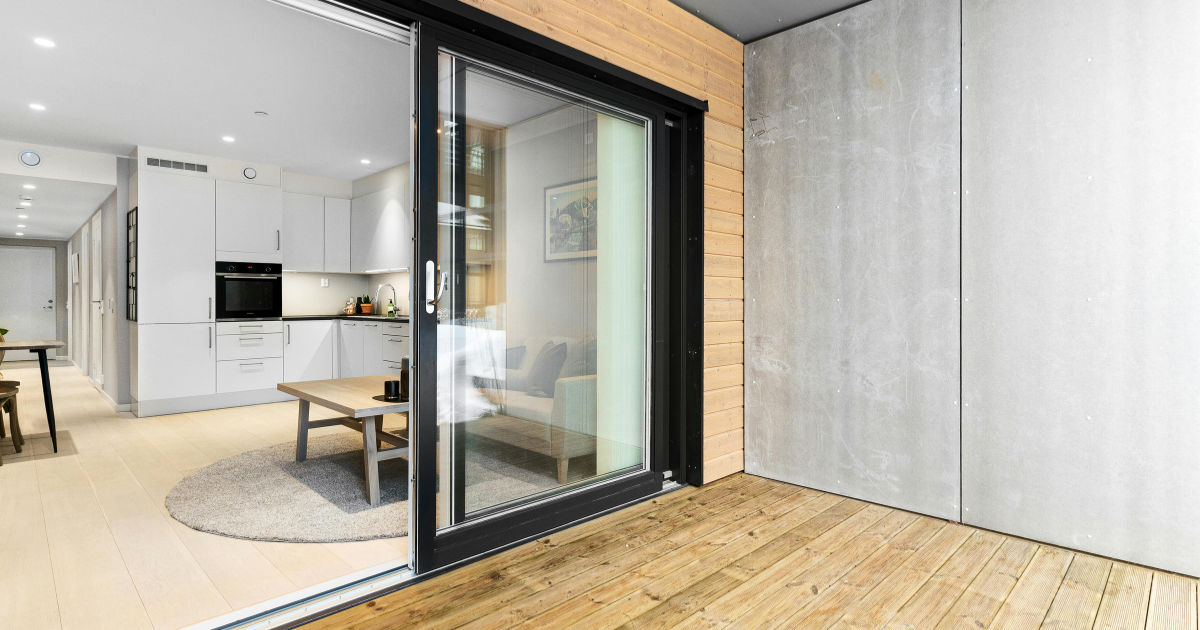
At the heart of every automatic door system lies a critical component: the Automatic Glass Door Sensor. This sensor is responsible for detecting movement, presence, or gestures near the door and triggering its operation.
The accuracy of this sensor can significantly influence the door’s response, safety, and user experience.
Understanding how sensor accuracy impacts door performance is vital for building managers, engineers, and anyone interested in modern automation.
In this guide, we will explore the types of sensors used in automatic glass doors, the factors that affect their accuracy, and why precise sensor calibration is crucial for smooth door operation.
What is an Automatic Glass Door Sensor?
An Automatic Glass Door Sensor is a device that detects motion or presence to activate a door’s opening mechanism. Sensors work by monitoring the area around the door and sending a signal to the door’s control system to either open or close. These sensors use different technologies, including infrared, microwave, ultrasonic, and optical detection, each with its advantages and limitations.
The sensor’s main function is to ensure that the door responds promptly when someone approaches. However, the quality and accuracy of the sensor play a critical role in how well the door functions. If the sensor is inaccurate, it can cause the door to open too early, too late, or fail to respond entirely.
Types of Sensors in Automatic Glass Doors
1. Infrared Sensors
Infrared (IR) sensors detect heat emitted by humans. They are popular in automatic doors because they are relatively inexpensive and reliable. When a person approaches, the IR sensor detects body heat and sends a signal to the door’s motor to open.
However, IR sensors have limitations. Their accuracy can be affected by temperature fluctuations, sunlight, or reflective surfaces. Inaccurate detection can lead to doors opening unnecessarily or failing to open when someone is present.
2. Microwave Sensors
Microwave sensors emit electromagnetic waves and measure the reflection caused by moving objects. They are highly sensitive and can detect motion through non-metallic obstacles like glass. This makes them suitable for busy entrances.
The drawback is that these sensors can sometimes be triggered by movement outside the intended detection zone, leading to false activations. Proper calibration is essential to maintain accuracy.
3. Ultrasonic Sensors
Ultrasonic sensors use high-frequency sound waves to detect movement. They are effective in detecting the presence of people and objects and are commonly used in doors where IR or microwave sensors may not be effective.
Sensor accuracy is crucial here because sound waves can be affected by noise, air turbulence, or physical obstructions, potentially leading to delayed or failed door responses.
4. Optical and Lidar Sensors
Advanced automatic doors sometimes use optical sensors or Lidar technology to scan the area in front of the door. These sensors provide precise detection and can track multiple objects simultaneously, enhancing both safety and performance.
While highly accurate, these sensors are also more expensive and require proper maintenance to ensure optimal operation.
How Sensor Accuracy Impacts Door Response
The accuracy of an Automatic Glass Door Sensor directly affects several aspects of door operation:
1. Timing of Door Opening and Closing
If a sensor is too sensitive or not calibrated properly, the door might open before someone reaches it or remain closed when it should open. Conversely, a highly accurate sensor ensures that the door opens at the right moment, enhancing user experience.
2. Safety Considerations
Sensor accuracy is critical for safety. Doors that close prematurely or fail to detect a person can cause injuries. Accurate detection prevents accidents by ensuring that the door opens fully when someone approaches and remains open until the area is clear.
3. Energy Efficiency
In commercial buildings, automatic doors can impact energy efficiency. Inaccurate sensors that keep doors open unnecessarily lead to energy loss from heating or cooling systems. Accurate sensors help maintain proper door timing, minimizing energy waste.
4. Durability of the Door Mechanism
Frequent unnecessary activations due to inaccurate sensors can strain the door’s mechanical components. This leads to increased maintenance costs and shorter lifespan of the door system. Accurate sensors reduce wear and tear by ensuring the door operates only when needed.
Factors Affecting Sensor Accuracy
Several factors can influence the accuracy of an Automatic Glass Door Sensor. Understanding these factors is essential for optimizing door performance.
1. Installation Position
The placement of sensors significantly impacts their accuracy. Sensors installed too high or too low may not detect approaching users effectively. Proper alignment and height calibration ensure accurate detection of all users, including children and wheelchair users.
2. Environmental Conditions
Temperature, humidity, and lighting can all affect sensor performance. Infrared sensors, for example, may be less reliable in direct sunlight, while ultrasonic sensors can be disrupted by loud noises or wind. Understanding environmental factors helps in selecting the right sensor type.
3. Sensor Calibration
Regular calibration is necessary to maintain sensor accuracy. This involves adjusting sensitivity, detection range, and angle. Misaligned sensors can cause delayed responses, false activations, or complete failure to detect users.
4. Obstructions and Reflective Surfaces
Objects near the door, such as decorations, signs, or furniture, can interfere with sensor detection. Reflective surfaces can also cause false triggers, especially with infrared or optical sensors. Ensuring a clear detection path improves accuracy.
5. Sensor Technology
Different sensor technologies have inherent accuracy differences. Microwave and Lidar sensors tend to be more precise than basic infrared sensors, but they also require careful setup. Choosing the right sensor for the environment is crucial for optimal performance.
Testing and Maintaining Sensor Accuracy
Maintaining high sensor accuracy is key to reliable door operation. Regular testing and maintenance can prevent malfunctions and safety risks.
1. Routine Sensor Testing
Test sensors regularly by simulating user movement. Check if the door opens and closes at the appropriate distance and timing. Any delay or false activation should be addressed immediately.
2. Cleaning and Maintenance
Dust, dirt, and smudges can reduce sensor sensitivity. Clean sensors according to manufacturer guidelines to maintain accuracy. This is especially important for optical and infrared sensors.
3. Software Updates
Some modern automatic doors include smart sensors with software controls. Keeping software up to date can improve sensor accuracy by enhancing motion detection algorithms.
4. Professional Calibration
Periodic professional inspection ensures that all sensors are calibrated correctly. Professionals can adjust detection zones, sensitivity, and angles to match building traffic patterns and environmental conditions.
Common Problems Caused by Inaccurate Sensors
Inaccurate sensors in automatic doors can lead to several issues:
-
Doors opening too early or late, causing inconvenience
-
Repeated false activations, increasing energy consumption
-
Premature closing, creating safety hazards
-
Increased wear and tear on door mechanisms
-
Frustration for users, especially in high-traffic areas
Addressing these problems requires understanding sensor types, proper installation, and ongoing maintenance.
Innovations Improving Sensor Accuracy
Automatic door technology is constantly evolving. Innovations aim to improve sensor accuracy and overall door performance.
1. Multi-Sensor Systems
Combining multiple sensor types, such as infrared and microwave, can enhance detection accuracy. These systems cross-check data from different sensors, reducing false activations and missed detections.
2. Adaptive Sensors
Adaptive sensors can adjust their sensitivity based on environmental conditions or traffic patterns. This ensures consistent accuracy throughout the day and across seasons.
3. AI-Powered Detection
Some advanced doors use artificial intelligence to recognize human movement patterns. AI algorithms can differentiate between a person, an animal, or an object, improving both safety and convenience.
Best Practices for Optimizing Door Response
To maximize the efficiency and reliability of automatic glass doors:
-
Choose the appropriate sensor technology for your environment.
-
Ensure proper installation height and angle.
-
Regularly calibrate sensors according to manufacturer guidelines.
-
Maintain clear detection zones free from obstructions.
-
Schedule routine cleaning and maintenance.
-
Use multi-sensor or AI systems for high-traffic areas.
-
Conduct regular safety inspections to comply with building codes.
Following these practices ensures that your automatic doors respond accurately and safely.
Conclusion
The role of an Automatic Glass Door Sensor cannot be overstated. Sensor accuracy directly impacts door response time, safety, energy efficiency, and overall user experience. By understanding the types of sensors, factors affecting accuracy, and best practices for maintenance, building managers and engineers can optimize door performance.
Investing in accurate sensors, proper installation, and regular calibration not only enhances convenience but also ensures safety and longevity of the door system. As technology advances, adaptive and AI-powered sensors promise even greater precision, minimizing errors and improving user satisfaction.
In today’s fast-paced environments, accurate sensors are the silent guardians that make automatic doors not just convenient, but safe and efficient for everyone. Proper attention to sensor accuracy is no longer optional—it’s essential.