
Choosing the right windows for a home or commercial building is a major decision. Windows affect energy efficiency, indoor comfort, home appearance, maintenance costs, and long-term property value.
Many homeowners struggle to estimate the real expense of replacing or installing windows because there are many factors involved. This is where a Window cost calculator becomes extremely useful.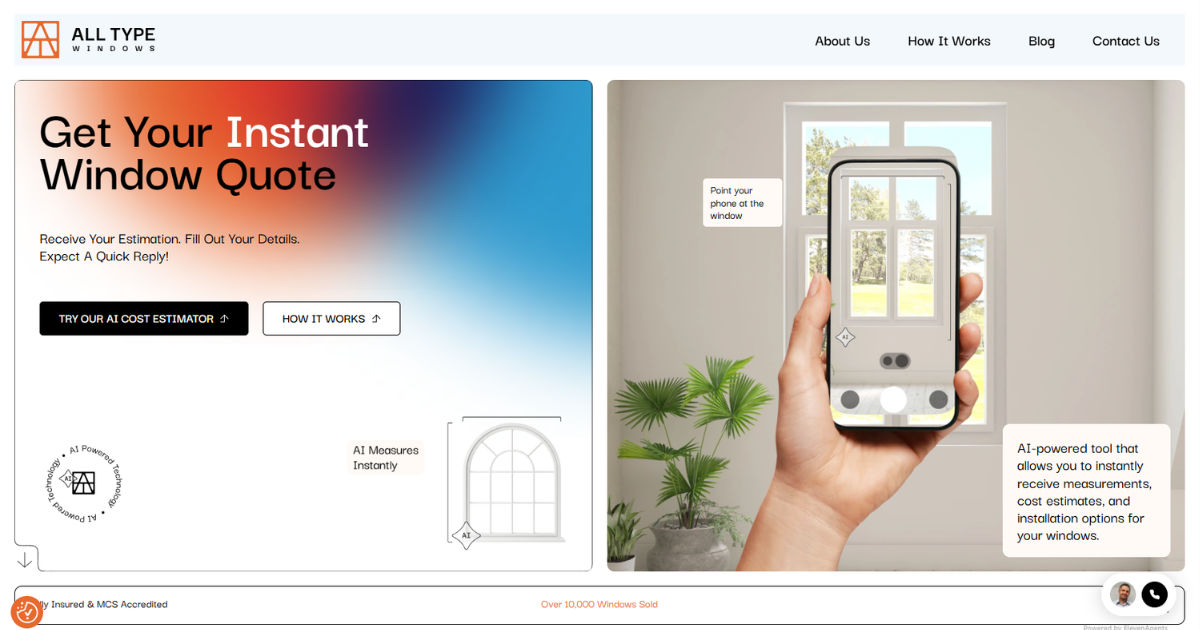
A Window cost calculator helps users estimate the price of window materials, labor, installation, energy-efficient upgrades, and additional features.
Whether someone is planning a renovation or building a new home, a Window cost calculator simplifies the process by turning complex pricing information into a quick estimate.
Many people assume that window pricing is based only on size, but that is not true. Material type, frame quality, glass technology, insulation features, labor rates, and customization all influence total costs. A Window cost calculator combines these details into one organized estimate.
This guide explains how a Window cost calculator works, what factors affect pricing, the role of window materials, and how homeowners can use these tools to make better decisions.
What Is a Window Material Calculator?
A window material calculator is a digital tool designed to estimate the total cost of window projects based on selected materials and specifications. In many cases, the terms window material calculator and Window cost calculator are used together because both tools estimate pricing.
The main purpose of a Window cost calculator is to help homeowners understand the expected budget before contacting contractors. It allows users to compare different materials, styles, and performance levels.
A Window cost calculator usually asks for information such as:
- Window dimensions
- Number of windows
- Frame material
- Glass type
- Installation type
- Energy-efficient features
- Labor location
- Additional upgrades
After collecting this information, the Window cost calculator generates a pricing estimate.
Why Window Costs Vary So Much
One reason homeowners rely on a Window cost calculator is because window prices vary significantly. A simple vinyl window may cost far less than a custom wood or fiberglass window.
The Window cost calculator helps users understand how each feature changes the overall price.
Several factors influence pricing:
Material Quality
Window frames come in different materials, and each material has unique advantages and disadvantages.
Energy Efficiency
Energy-efficient windows often cost more initially but can reduce heating and cooling expenses.
Installation Complexity
Replacing old windows may require additional labor, repairs, or structural adjustments.
Glass Technology
Double-pane and triple-pane glass increase insulation and improve performance.
Customization
Special shapes, colors, and finishes increase production costs.
A Window cost calculator combines all these elements into one estimate.
Main Window Materials Included in a Window Cost Calculator
The most important part of a Window cost calculator is the material selection section. Window material strongly affects durability, maintenance, insulation, and pricing.
Vinyl Windows
Vinyl windows are among the most affordable options available. Many homeowners use a Window cost calculator to compare vinyl prices against other materials.
Advantages of vinyl windows include:
- Low maintenance
- Affordable pricing
- Good energy efficiency
- Moisture resistance
- Easy installation
However, vinyl may not offer the premium appearance of wood.
A Window cost calculator usually shows vinyl windows as the lowest-cost option.
Wood Windows
Wood windows provide a classic and elegant appearance. A Window cost calculator often places wood windows in a higher price range because of craftsmanship and maintenance requirements.
Benefits include:
- Natural beauty
- Excellent insulation
- Strong durability when maintained properly
- High property value appeal
Drawbacks include:
- Higher maintenance
- Risk of moisture damage
- Higher installation costs
A Window cost calculator helps homeowners determine whether the long-term value of wood justifies the additional expense.
Aluminum Windows
Aluminum windows are popular in modern architecture. A Window cost calculator typically places aluminum in the mid-range category.
Advantages include:
- Slim frame design
- Strong durability
- Corrosion resistance
- Lightweight structure
However, aluminum transfers heat more easily than other materials.
A Window cost calculator often includes thermal break upgrades to improve insulation.
Fiberglass Windows
Fiberglass windows are highly durable and energy efficient. A Window cost calculator usually shows fiberglass as a premium option.
Benefits include:
- Excellent strength
- Weather resistance
- Minimal expansion and contraction
- Long lifespan
- Strong insulation
The higher upfront price is often balanced by reduced maintenance and energy savings.
A Window cost calculator helps users compare fiberglass against vinyl and wood options.
Composite Windows
Composite windows combine materials such as wood fibers and polymers.
A Window cost calculator often highlights composite windows for homeowners seeking:
- Durability
- Energy efficiency
- Lower maintenance
- Attractive appearance
Composite windows may cost more than vinyl but less than premium wood options.
How a Window Cost Calculator Works Step by Step
Understanding the process behind a Window cost calculator can help homeowners use it more effectively.
Step 1: Enter Window Measurements
The first step in a Window cost calculator is entering dimensions.
Users usually provide:
- Width
- Height
- Quantity
Larger windows require more material and labor, increasing costs.
A Window cost calculator automatically adjusts pricing based on size.
Step 2: Select Window Style
Different window styles affect cost.
Common styles include:
- Single-hung
- Double-hung
- Sliding
- Casement
- Bay windows
- Picture windows
- Awning windows
A Window cost calculator calculates style-related manufacturing and installation costs.
Step 3: Choose Frame Material
This is the most important section of a Window cost calculator.
Users select materials such as:
- Vinyl
- Wood
- Fiberglass
- Aluminum
- Composite
Each material changes the total estimate.
Step 4: Select Glass Options
Modern windows use advanced glass technologies.
A Window cost calculator may include:
- Double-pane glass
- Triple-pane glass
- Tempered glass
- Low-E coatings
- Gas-filled insulation
- Laminated glass
These upgrades improve performance but raise costs.
Step 5: Add Energy-Efficient Features
Many homeowners use a Window cost calculator to estimate energy-efficient upgrades.
These features may include:
- UV protection
- Insulated spacers
- Weather sealing
- Energy Star certification
The Window cost calculator estimates long-term savings along with initial costs.
Step 6: Include Labor Costs
Installation labor is a major part of window expenses.
A Window cost calculator may estimate labor using:
- Local rates
- Window quantity
- Structural complexity
- Removal of old windows
- Permit requirements
Labor costs can vary widely depending on location.
Step 7: Calculate Final Estimate
After all selections are entered, the Window cost calculator provides:
- Material cost
- Labor cost
- Upgrade cost
- Estimated total
Some advanced calculators also estimate energy savings over time.
Benefits of Using a Window Cost Calculator
A Window cost calculator provides several advantages for homeowners and contractors.
Better Budget Planning
The biggest benefit of a Window cost calculator is accurate budgeting.
Homeowners can estimate costs before meeting contractors.
Easier Material Comparison
A Window cost calculator makes it simple to compare vinyl, wood, fiberglass, and aluminum windows.
Time Savings
Instead of contacting multiple suppliers immediately, homeowners can use a Window cost calculator to narrow down options.
Improved Decision-Making
A Window cost calculator helps users understand how upgrades affect total costs.
Reduced Financial Surprises
Unexpected costs are common in renovation projects.
A Window cost calculator helps reduce uncertainty.
Factors That Affect Window Material Pricing
A Window cost calculator considers many pricing variables.
Climate Conditions
Homes in cold climates often require higher insulation levels.
A Window cost calculator may recommend triple-pane windows for these regions.
Home Design
Historic homes may require custom windows.
A Window cost calculator adjusts pricing for special shapes and designs.
Window Quantity
Replacing many windows increases total project costs.
However, some suppliers offer discounts for larger orders.
Local Labor Rates
Installation costs vary by city and region.
A Window cost calculator often includes regional labor averages.
Energy Regulations
Some areas require energy-efficient windows.
A Window cost calculator may include mandatory upgrades.
Understanding Energy Efficiency in a Window Cost Calculator
Energy efficiency is a major focus in modern window installation.
A Window cost calculator often includes performance ratings.
U-Factor
The U-factor measures heat transfer.
Lower numbers indicate better insulation.
Solar Heat Gain Coefficient
This measures how much solar heat enters through the window.
A Window cost calculator may recommend lower values in hot climates.
Visible Transmittance
This measures how much natural light enters the home.
Air Leakage
Air leakage ratings show how much outside air can enter.
A Window cost calculator may suggest tighter seals for better efficiency.
Comparing Window Materials Using a Window Cost Calculator
Vinyl vs Wood
A Window cost calculator often shows vinyl as cheaper initially.
Wood offers better aesthetics but higher maintenance.
Fiberglass vs Aluminum
Fiberglass usually provides better insulation.
Aluminum offers a sleek modern design.
A Window cost calculator helps compare performance and pricing.
Composite vs Vinyl
Composite windows are stronger and more durable.
Vinyl remains the more affordable option.
A Window cost calculator highlights these trade-offs.
Common Mistakes When Using a Window Cost Calculator
Although a Window cost calculator is helpful, users sometimes make mistakes.
Ignoring Installation Costs
Some homeowners focus only on material pricing.
Labor can significantly increase total expenses.
Entering Incorrect Measurements
Incorrect dimensions produce inaccurate estimates.
A Window cost calculator depends on accurate input.
Choosing the Cheapest Option Only
The lowest-cost windows may not provide the best long-term value.
A Window cost calculator should be used to evaluate durability and efficiency as well.
Forgetting Maintenance Costs
Wood windows may require regular painting and sealing.
A Window cost calculator may not always include future maintenance.
How Contractors Use a Window Cost Calculator
Contractors also rely on a Window cost calculator during consultations.
The calculator helps professionals:
- Prepare quick estimates
- Compare materials
- Explain pricing differences
- Improve customer trust
- Speed up project planning
A Window cost calculator creates transparency between contractors and homeowners.
Online vs Professional Window Cost Calculator Tools
There are different types of calculators available.
Online Calculators
Online tools are fast and convenient.
They provide rough estimates for planning purposes.
Professional Estimating Software
Professional contractors use advanced software.
These systems include:
- Real-time pricing
- Labor databases
- Inventory tracking
- Custom measurements
- Detailed reports
A professional Window cost calculator usually provides more accurate results.
Signs You Need New Windows
Many homeowners use a Window cost calculator after noticing signs of window failure.
Drafts and Air Leaks
Cold air entering the home indicates poor insulation.
Rising Energy Bills
Inefficient windows increase heating and cooling costs.
Difficulty Opening Windows
Old frames may warp over time.
Condensation Between Glass Panes
This often indicates seal failure.
Exterior Damage
Cracks, rot, and moisture damage may require replacement.
A Window cost calculator helps homeowners estimate replacement expenses quickly.
Tips for Getting Accurate Results from a Window Cost Calculator
Measure Carefully
Always double-check dimensions before entering them.
Compare Multiple Materials
Do not choose the first option immediately.
A Window cost calculator works best when comparing several materials.
Include Installation Costs
Full project costs should always include labor.
Research Local Climate Needs
Energy-efficient features depend on regional weather conditions.
Review Warranty Information
Long warranties may justify higher prices.
A Window cost calculator can help compare long-term value.
Future Technology in Window Cost Calculator Tools
Modern technology continues improving the accuracy of window estimation tools.
Artificial Intelligence
AI-powered systems can recommend ideal window materials based on climate and budget.
3D Home Visualization
Some Window cost calculator platforms allow homeowners to preview window designs virtually.
Real-Time Pricing Updates
Advanced systems update pricing automatically based on market changes.
Smart Energy Analysis
Future calculators may estimate exact energy savings for individual homes.
A Window cost calculator will likely become even more accurate and personalized.
Why Window Material Selection Matters
Choosing the correct material affects much more than appearance.
A Window cost calculator helps homeowners evaluate:
- Energy efficiency
- Durability
- Maintenance
- Home value
- Weather resistance
- Installation complexity
The right material can reduce long-term expenses significantly.
Cost Range Estimates by Material
A Window cost calculator often provides average cost ranges.
Vinyl Windows
Usually considered budget-friendly.
Wood Windows
Generally more expensive due to craftsmanship.
Fiberglass Windows
Premium pricing with excellent durability.
Aluminum Windows
Moderate pricing with modern aesthetics.
Composite Windows
Balanced pricing with strong performance.
A Window cost calculator helps users compare these categories side by side.
The Importance of Professional Installation
Even high-quality windows can fail if installed incorrectly.
A Window cost calculator often separates material costs from installation costs.
Professional installation ensures:
- Proper sealing
- Better insulation
- Longer lifespan
- Reduced moisture problems
- Improved energy efficiency
Homeowners should avoid focusing only on low material costs.
Environmental Impact of Window Materials
Many homeowners now consider environmental sustainability.
A Window cost calculator may include eco-friendly material options.
Recyclable Materials
Aluminum and fiberglass are often recyclable.
Sustainable Wood Sources
Some manufacturers use responsibly harvested wood.
Energy Savings
Energy-efficient windows reduce overall energy consumption.
A Window cost calculator helps users balance sustainability and affordability.
Window Replacement vs New Installation
A Window cost calculator may ask whether the project is replacement or new construction.
Replacement Windows
These are installed into existing openings.
They usually cost less.
New Construction Windows
These require additional framing and structural work.
A Window cost calculator often shows higher labor costs for new installations.
Questions Homeowners Should Ask Before Using a Window Cost Calculator
Before starting, homeowners should consider:
- What is the project budget?
- Which material fits the climate?
- Is energy efficiency important?
- How long should the windows last?
- What maintenance level is acceptable?
Answering these questions improves the accuracy of a Window cost calculator.
Conclusion
A Window cost calculator is one of the most useful tools for homeowners planning window replacement or installation projects. It simplifies complex pricing information by combining material costs, labor expenses, energy-efficient upgrades, and customization features into one estimate.
Understanding how a Window cost calculator works allows homeowners to make smarter financial decisions. Instead of guessing or relying on rough estimates, users can compare materials such as vinyl, wood, aluminum, fiberglass, and composite windows with confidence.
A Window cost calculator also helps homeowners understand the long-term value of energy-efficient windows. While premium materials may cost more upfront, they often reduce maintenance expenses and lower monthly energy bills.
The most important benefit of a Window cost calculator is transparency. It gives homeowners greater control over budgeting, planning, and material selection. Whether replacing a single window or upgrading an entire home, using a Window cost calculator can save time, reduce stress, and improve decision-making.
As technology continues to evolve, future window estimation tools will become even more advanced. Artificial intelligence, smart energy analysis, and virtual home visualization will make the Window cost calculator more accurate and personalized than ever before.
For homeowners, builders, and contractors alike, understanding the role of a Window cost calculator is essential for achieving successful and cost-effective window projects.