
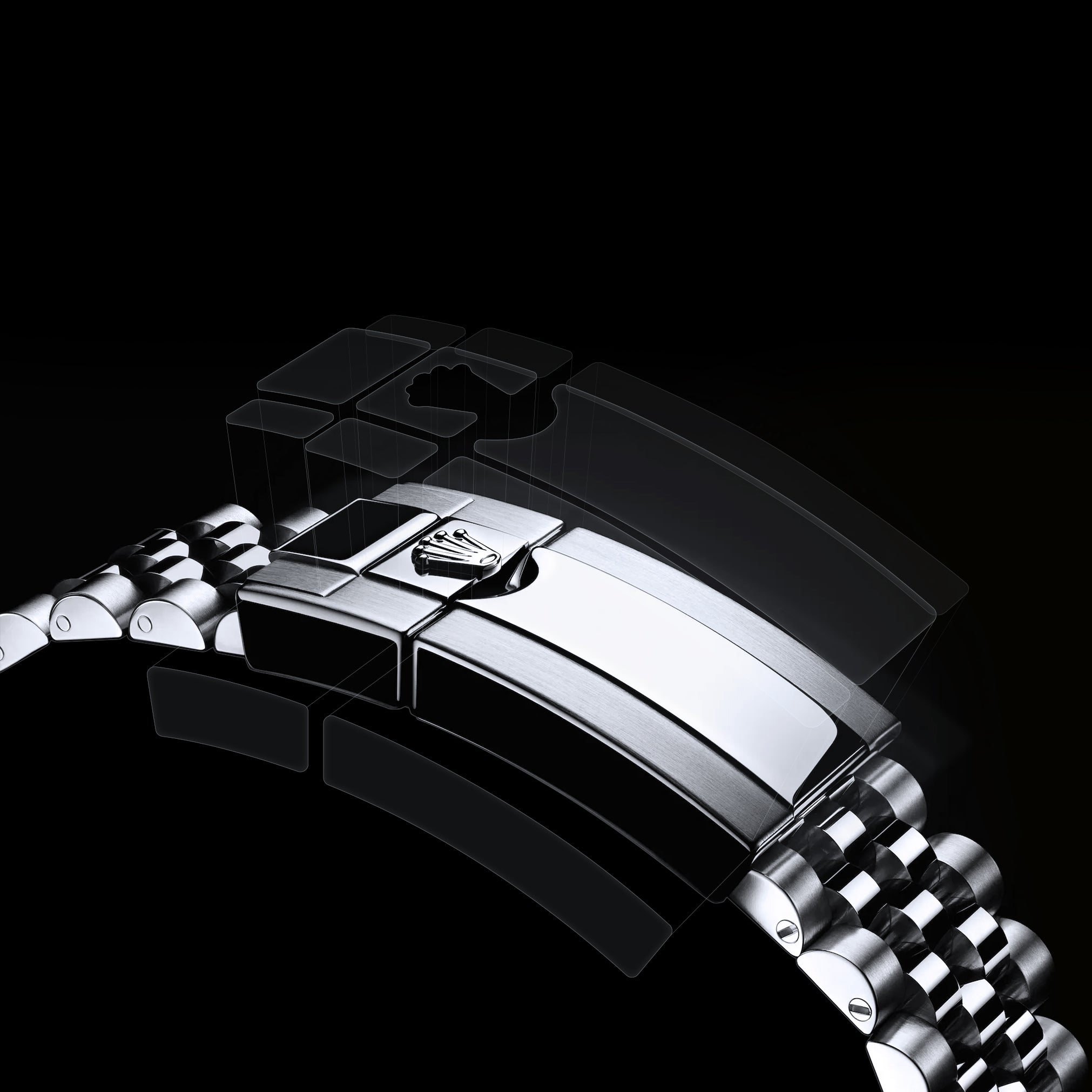
Rolex Protection is similar with luxury, precision, and enduringness. For decades, the Swiss horologer has been setting the gold monetary standard in the horology earth, known not only for elegant design and virtuous craft but also for the lustiness of its timepieces. Among the key features that Rolex prides itself on is the anti-scratch technology incorporated into its watches. But with wear and the multiplicative demands of modern lifestyles, the question arises: Is Rolex s anti-scratch engineering enough?
Understanding Rolex s Anti-Scratch Technology
To appreciate whether Rolex s anti-scratch tech is adequate, it s noteworthy to understand what materials and innovations the companion employs to safeguard their watches.
Rolex in the first place uses two elements to heighten scratch resistance:
Sapphire Crystal Glass Almost all Rolex watches boast lazuline watch glass glaze over protecting the dial. Sapphire crystal is a synthetic material, renowned for its extraordinary callosity senior 9 on the Mohs surmount, just below diamond. This makes it highly tolerant to scratches from everyday objects such as keys or coins. Sapphire watch glass has been the industry monetary standard for luxuriousness watches for eld, and Rolex uses it in a heaviness and shape optimized for both strength and esthetic clarity.
Oystersteel and Precious Metals Rolex uses its proprietary Oystersteel, a 904L chromium steel nerve debase known for its olympian resistance to and wear. This nerve is harder and more excise-resistant than the commons 316L nerve used by many other view brands. Furthermore, precious metals like gold and Pt, while softer, are crafted and destroyed with care to reduce susceptibility to scratches through techniques like polishing and protective coatings.
Beyond Materials: The Craftsmanship Factor
Rolex watches are noted for their meticulous workmanship. The stigmatize s expert finish and polishing techniques help understate the ocular touch on of child scratches and abrasions, which are inevitable with habitue wear. The smoothen and rounded case edges and watchstrap golf links are designed to tighten snagging and damage from incidental meet.
Additionally, Rolex s bracelets use solid golf links, which are more long-wearing than core out counterparts and less prostrate to bending or damage, indirectly contributing to the view s overall underground to wear and tear.
The Limits of Anti-Scratch Technology
Despite these innovations, no view is whole proof to scratches. Here s why:
Hardness vs. Toughness: Sapphire watch crystal is implausibly hard and resists scratches well, but it can be toffy and vulnerable to chip or shattering if subjected to a acutely affect. Rolex s thick sapphire crystals help palliate this risk, but it cannot eliminate it entirely.
Metal Vulnerability: Even Oystersteel, while harder than most stainless nerve, can educate scratches over time, especially when in contact with materials of similar or high callosity like atomic number 22 or diamond dust. Precious metals, such as gold, are softer and more unerect to panoptic scratches.
Daily Wear Factors: Watches worn daily will of necessity run into rough surfaces, unintended knocks, and abrasive environments. Activities like sports, manual drive, or trip break the watch to redoubled risk.
Innovations Rolex is Exploring
Rolex has incessantly worked on rising the resilience of its watches. For example, the denounce has introduced Cerachrom bezels made of a ceramic deepen that is nigh scratchproof and resistant to attenuation. This design addresses one of the most weak parts of a view: the bezel.
Moreover, Rolex s shining techniques, like the use of special glue and limited finishing processes, help tighten small-abrasions, keeping watches looking pristine longer.
There is also ongoing research in stuff science within the sumptuousness catch manufacture, with brands experimenting with lazuline coatings, -like carbon(DLC) coatings, and other rise up treatments to further enhance excise underground. While Rolex cadaver famously conservativist in adopting new materials, it has shown receptivity to these innovations when they meet its stringent quality standards.
Real-World Experiences: What Do Users Say?
The practical experience of Rolex owners offers worthy insight. Many users take the stand to the remarkable strength of Rolex watches, noting that the sky-blue crystal cadaver clear and unscratched after years of daily use. The Oystersteel case and watchband also show resilience, though tike scratches do appear with regular wear.
However, users encumbered in physically exigent activities often urge a more rugged, tool-watch approach for wear, reserving Rolex for occasions or adopting specialised care routines to preserve the catch s finish up.
Is Rolex s Anti-Scratch Technology Enough?
In conclusion, Rolex s anti-scratch engineering science is among the best available in the opulence catch commercialize. The of lazuline watch glass, Oystersteel, Cerachrom ceramic, and workmanship creates a watch that balances with extraordinary lastingness.
Yet, no watch can be truly strike-proof. Scratches, chips, and abrasions are a cancel part of wearing a horologe , especially one that sees active use. Rolex s engineering minimizes this damage far better than most competitors, but the wearer s life-style and habits stay crucial factors.
For those seeking unconditional excise resistance for rough in environments, specialised tool watches with added caring coatings or materials may be more appropriate. For most collectors and enthusiasts, Rolex s intermingle of aesthetics, strength, and subtle anti-scratch features offers an fantabulous poise.
Ultimately, Rolex s anti-scratch engineering is not just about preventing scratches; it s about ensuring the take in ages gracefully, retaining its smasher and run through a lifetime of use. And in that abide by, it is certainly enough.