
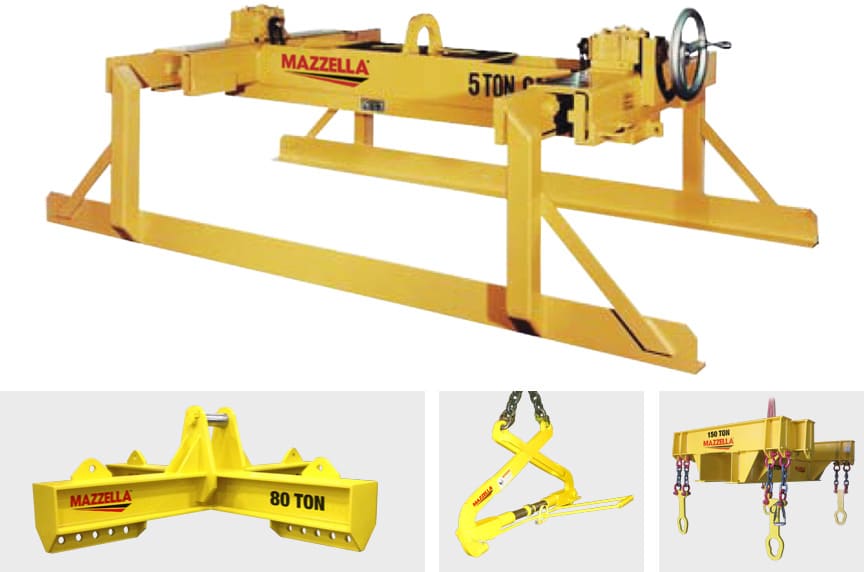
Below THE HOOK LIFTING DEVICES are tools that directly to a CRANE or run up and sit between THE LIFTING machine and THE LOAD. Their main job is to hold, balance, and control heavily materials while THEy are being touched. In factories, warehouses, shipyards, and twist sites, THEse DEVICES help workers LIFT items that would be unsafe or insufferable to move by hand. Because BELOW THE HOOK LIFTING DEVICES are designed for specific LOADs, THEy tighten risk and meliorate control during every LIFT.
Why Below THE Hook Lifting Devices Matter
Heavy LIFTING comes with serious risks. Shifting LOADs, poor balance, or weak attachment points can lead to disreputable materials or injuries. Below THE HOOK LIFTING DEVICES puzzle out THEse problems by creating a horse barn connection between THE CRANE and THE LOAD. They help unfold weight , keep materials from swing, and allow pinpoint placement. Many companies rely on BELOW THE HOOK LIFTING DEVICES to meet refuge rules while holding trading operations smooth over and foreseeable.
Common Types of Below THE Hook Lifting Devices
There are many styles of BELOW THE HOOK LIFTING DEVICES, each built for a certain resolve. Choosing THE right one depends on THE LOAD shape, slant, and treatment needs.
Lifting Beams and Spreader BarsThese DEVICES help slant across quadruplicate LIFTING points. Lifting beams and spreader bars are often used for long or wide LOADs like nerve plates or concrete panels. They prevent deflexion and tighten stress on THE LOAD.
Plate and Beam ClampsClamps grip materials straight without THE need for slings. They are nonclassical for LIFTING nerve plates, beams, and biology components. Below THE HOOK LIFTING DEVICES like clamps save time and supply a warm grip when used right.
Coil LiftersSteel and metallic element coils want special handling due to THEir circle form. Coil LIFTers are designed to LIFT coils safely, eiTHEr from THE inside or around THE outside. These BELOW THE HOOK LIFTING DEVICES keep coils stable during transport.
Vacuum Lifting DevicesVacuum systems use sucking to LIFT smooth materials like glass over, metallic element sheets, or panels. They allow for strip handling without surface damage. These BELOW THE HOOK LIFTING DEVICES are park in manufacturing and fabrication settings.
C Hooks and Specialty HooksC HOOKs are molded to LIFT coils, rolls, or bundled materials. Specialty HOOKs are often usance well-stacked for unique LOADs. They are simpleton but operational BELOW THE HOOK LIFTING DEVICES for repeat tasks.
How Below THE Hook Lifting Devices Improve Safety
Safety is a John Major reason out companies enthrone in BELOW THE HOOK LIFTING DEVICES. These tools reduce THE need for workers to guide or touch down LOADs while THEy are in THE air. Properly studied DEVICES hold THE LOAD firmly, limiting swing over and emergent front. Many crane lifting attachments also let in safety latches, lockup systems, and rated LOAD markings, which help operators stay within safe limits.
Efficiency Benefits in Daily Operations
Using THE right BELOW THE HOOK LIFTING DEVICES can hurry up work without thinning corners. Loads can be picked up quicker, placed more accurately, and stirred with fewer adjustments. This saves time on every LIFT. Over a full working day, THE gains add up. Less make over, fewer damaged materials, and smooTHEr workflows are commons results when BELOW THE HOOK LIFTING DEVICES are competitive right to THE task.
Materials Commonly Handled with Below THE Hook Lifting Devices
Below THE HOOK LIFTING DEVICES are used with a wide straddle of materials. These let in nerve plates, beams, pipes, concrete sections, machinery, pallets, coils, and ready-made parts. Because THEse DEVICES can be usage built, THEy work well even for awkward or oversized items. This flexibility makes BELOW THE HOOK LIFTING DEVICES worthy across many industries.
Design and Load Ratings
Every piece of LIFTING EQUIPMENT must be premeditated for a particular . Below THE HOOK LIFTING DEVICES are no different. Load ratings are clearly noticeable and must never be exceeded. Good plan also considers balance points, attachment angles, and how THE LOAD behaves when LIFTed. Quality BELOW THE HOOK LIFTING DEVICES are well-stacked from warm materials and tried before use to make sure THEy perform as unsurprising.
Inspection and Proper Use
Regular inspection is key to holding BELOW THE HOOK LIFTING DEVICES safe. Operators should for cracks, wear, loose parts, or deformation before each shift. Training also matters. Workers need to empathize how to attach to THE DEVICE, how to put down THE LOAD, and how to move it smoothly. When BELOW THE HOOK LIFTING DEVICES are used right, THEy become a dependable part of daily trading operations.
Choosing THE Right Below THE Hook Lifting Devices
Selecting THE right tool starts with understanding THE LOAD. Weight, size, form, and rise type all count. Environmental factors like heat, moisture, or exterior use can also regard THE pick. Working with practised suppliers helps assure THE BELOW THE HOOK LIFTING DEVICES play off real job conditions, not just numbers pool on paper.
A Practical Part of Modern Lifting
Below THE HOOK LIFTING DEVICES have become a standard part of Bodoni LIFTING work. They support safer practices, protect materials, and help teams work with confidence. From simpleton HOOKs to advanced vacuum systems, THEse tools quietly wield some of THE toughest jobs on site. When elect cautiously and used with care, BELOW THE HOOK LIFTING DEVICES continue to prove THEir value every I LIFT, day after day, right where THE real work happens.