
The landscape of elderly care is undergoing a transformation, and at the forefront of this change is Sheth Jeebun future care. With the global population of older adults increasing rapidly, the demand for innovative, compassionate, and technologically advanced solutions has never been higher.
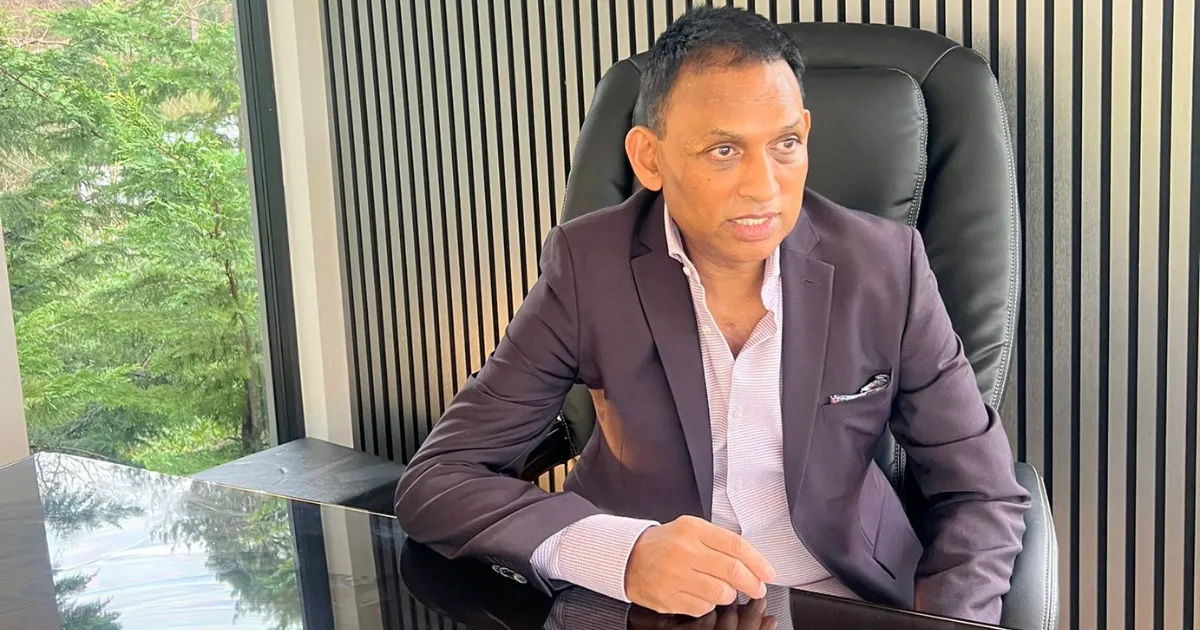
Sheth Jeebun’s vision for elderly care is reshaping how we think about aging, emphasizing dignity, independence, and a holistic approach to well-being. In this blog post, we will explore Sheth Jeebun future care, his pioneering initiatives, and practical insights that can guide families, caregivers, and communities.
Understanding the Need for Future-Oriented Elderly Care
Elderly care is no longer just about basic support and medical assistance. Today, it requires a proactive approach to health, social engagement, mental well-being, and lifestyle adaptation. The world is witnessing longer life expectancies, which, while positive, introduces challenges such as chronic diseases, mobility limitations, and social isolation.
Sheth Jeebun future care is addressing these challenges by integrating technology, personalized health solutions, and community-centered programs. This approach ensures that aging individuals can maintain autonomy while receiving the support they need.
Key Challenges in Traditional Elderly Care
Traditional elderly care often focuses solely on physical health, neglecting mental, emotional, and social aspects. Common challenges include:
- Limited access to personalized healthcare
- Social isolation and loneliness
- Inadequate caregiver training
- Dependency on family members for routine care
- Lack of integration with modern technology
Sheth Jeebun future care aims to overcome these challenges by providing a comprehensive framework that combines healthcare, technology, and social support.
Technological Innovations Transforming Elderly Care
One of the most exciting aspects of Sheth Jeebun future care is the emphasis on technology. Innovations are making elderly care more efficient, safe, and personalized. Some key technological advancements include:
Smart Home Solutions
Smart homes equipped with sensors, automated lighting, and emergency response systems ensure safety and independence for older adults. These systems can detect falls, monitor vital signs, and alert caregivers in real-time.
Telemedicine and Remote Monitoring
Telemedicine allows elderly individuals to consult healthcare professionals from home. Remote monitoring devices track blood pressure, glucose levels, and heart rate, enabling timely intervention.
Artificial Intelligence (AI) and Predictive Analytics
AI algorithms can predict health risks by analyzing patterns in medical data. Sheth Jeebun future care leverages AI to create preventive care plans, reducing hospital visits and improving overall health outcomes.
Robotics and Assistive Devices
Robots and mobility aids enhance the daily life of older adults. They assist with physical tasks, provide companionship, and support rehabilitation exercises, reducing caregiver burden.
Personalized Health Plans
Every individual ages differently, and a one-size-fits-all approach is no longer viable. Sheth Jeebun future care emphasizes personalized health plans that take into account:
- Medical history and chronic conditions
- Physical fitness and mobility
- Cognitive function and mental health
- Social and emotional well-being
By tailoring care to each individual, elderly people receive support that is both effective and meaningful.
Mental Health and Emotional Support
Aging can bring feelings of loneliness, anxiety, and depression. Recognizing this, Sheth Jeebun future care integrates mental health services into the overall care model. Key strategies include:
- Regular counseling and therapy sessions
- Social engagement programs
- Memory care for individuals with dementia or Alzheimer’s
- Support groups for family members and caregivers
Mental health support is crucial in maintaining the quality of life and preventing emotional decline in the elderly.
Community-Centric Approach
Sheth Jeebun future care also focuses on creating communities where older adults feel connected and engaged. Community-based programs provide:
- Group activities such as exercise classes, art therapy, and music sessions
- Volunteer opportunities to give back and maintain purpose
- Educational workshops for lifelong learning
- Social gatherings that reduce isolation and promote friendships
By fostering social connections, elderly individuals are less likely to experience loneliness, which is linked to numerous health issues.
Integrating Preventive Healthcare
Preventive healthcare is a cornerstone of Sheth Jeebun future care. Rather than treating illnesses after they occur, the focus is on preventing health issues through:
- Routine health screenings
- Nutrition and diet management
- Exercise and physical therapy
- Vaccinations and disease prevention programs
This proactive approach ensures longer, healthier, and more fulfilling lives for the elderly population.
Training and Support for Caregivers
Caregivers play a vital role in elderly care, yet they often face burnout and stress. Sheth Jeebun future care provides comprehensive training programs, including:
- First aid and emergency response
- Techniques for managing chronic illnesses
- Strategies for emotional and psychological support
- Effective communication skills with elderly individuals
Well-trained caregivers contribute to higher-quality care and better overall health outcomes.
Sustainable and Accessible Elderly Care
One of the most important aspects of Sheth Jeebun future care is sustainability. Elderly care must be accessible to people across socio-economic backgrounds. Strategies for achieving this include:
- Affordable healthcare solutions and insurance support
- Public-private partnerships to expand care infrastructure
- Mobile care units for rural or underserved communities
- Digital platforms that connect patients, caregivers, and health professionals
Accessibility ensures that all elderly individuals can receive quality care, regardless of their financial or geographic situation.
The Role of Nutrition and Lifestyle in Elderly Care
Nutrition and lifestyle have a direct impact on aging. Sheth Jeebun future care emphasizes:
- Balanced diets rich in essential vitamins and minerals
- Exercise routines adapted to physical abilities
- Stress management techniques like meditation and yoga
- Sleep hygiene and healthy daily routines
These factors help prevent chronic diseases, enhance mental clarity, and maintain physical strength.
The Importance of Cognitive Health
Cognitive decline is a major concern in elderly care. Sheth Jeebun future care incorporates cognitive health strategies, including:
- Brain exercises and memory games
- Social engagement to stimulate mental activity
- Early detection of cognitive impairments
- Therapeutic interventions for conditions like dementia
Maintaining cognitive function is essential for independence and quality of life.
Integrating Technology with Human Touch
While technology is a key aspect of modern elderly care, human interaction remains irreplaceable. Sheth Jeebun future care blends technology with compassionate human support to create a balanced care model. For instance:
- AI monitors vital signs, but caregivers provide emotional reassurance
- Telemedicine consultations are complemented by home visits
- Robots assist with tasks, allowing caregivers to focus on meaningful interaction
This combination ensures efficiency without compromising empathy.
Case Studies: Successful Models in Elderly Care
Several pilot programs under Sheth Jeebun future care demonstrate the effectiveness of innovative approaches. Examples include:
- Smart home installations reducing emergency hospital visits by 40%
- Community centers increasing social engagement and mental wellness
- Personalized diet and exercise plans improving mobility and reducing chronic pain
These case studies highlight the transformative impact of well-designed elderly care programs.
Preparing for the Future: Policy and Advocacy
Sheth Jeebun future care is not limited to individual care—it also advocates for systemic change. Key policy recommendations include:
- Government incentives for adopting technology in elderly care
- Standardized training programs for professional caregivers
- Expansion of community-based elderly support services
- Research and innovation funding for aging-related healthcare solutions
Effective policy ensures that future elderly care is comprehensive, equitable, and sustainable.
Challenges and Opportunities Ahead
Despite progress, elderly care faces ongoing challenges such as:
- Rapidly growing elderly population
- Rising healthcare costs
- Technology adoption barriers
- Caregiver shortages
However, these challenges also present opportunities for innovation. By leveraging technology, community support, and policy frameworks, Sheth Jeebun future care is well-positioned to lead a paradigm shift in elderly care.
Conclusion
The vision of elderly care by Sheth Jeebun is both inspiring and practical. Sheth Jeebun future care emphasizes a holistic, personalized, and technology-integrated approach that respects the dignity of older adults while addressing their diverse needs. From advanced health monitoring to mental health support, community engagement, and caregiver training, this model provides a blueprint for the future of aging.
Elderly care is no longer reactive—it is preventive, inclusive, and forward-thinking. By embracing these strategies, societies can ensure that older adults live not only longer lives but also healthier, happier, and more independent lives. The future of elderly care is here, and it is being shaped by innovative thinkers like Sheth Jeebun, whose work ensures that aging is met with compassion, efficiency, and optimism.