
Maintaining the health and safety of trees is an essential part of suburban life in Canberra. Whether you are a homeowner or a property manager, learning proper tree care is crucial. Tree trimming Canberra is not just about improving the appearance of your garden; it also ensures the safety of your property, the longevity of your trees, and compliance with local regulations.
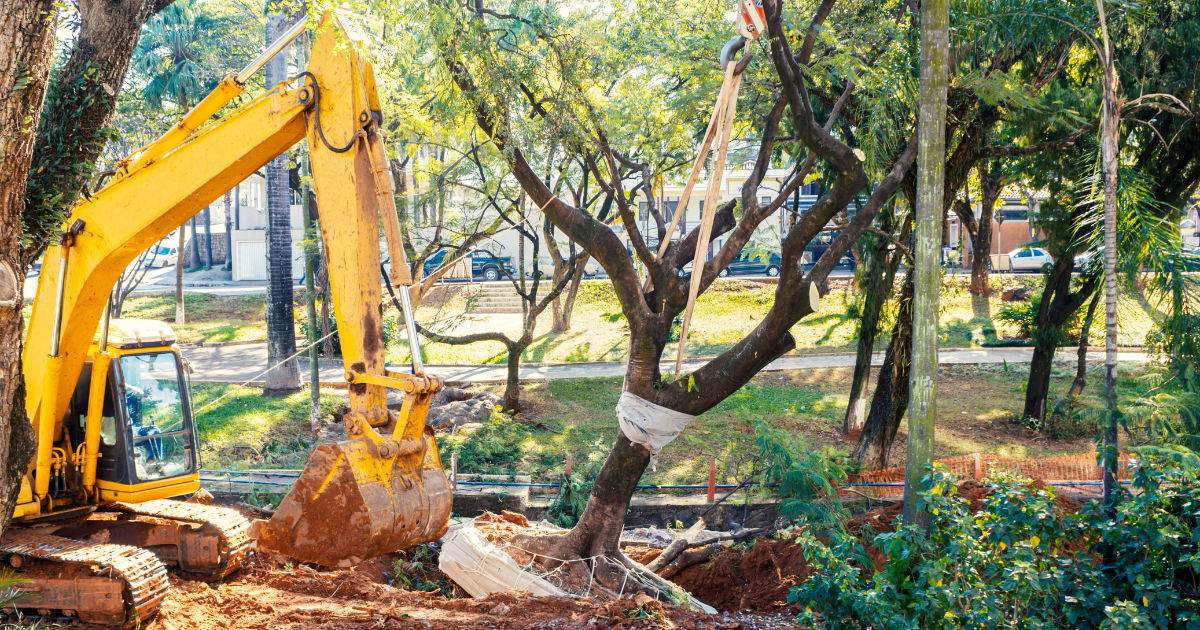
Attempting to trim trees without proper knowledge or equipment can lead to dangerous situations, including falls, injuries, and damage to property.
In this comprehensive guide, we will walk you through safe tree trimming techniques, tools, timing, and tips for keeping your trees healthy and your home safe.
Why Tree Trimming Is Important
Trees are living organisms that grow continuously. Without proper maintenance, they can develop weak branches, disease, or overgrowth that may threaten your home, vehicles, or neighbors. Tree trimming in Canberra suburbs is particularly important because of the city’s mix of residential areas and natural landscapes. Trimming helps to:
-
Remove dead or damaged branches that can fall during storms.
-
Improve sunlight penetration and air circulation within the tree.
-
Enhance the aesthetic appeal of your garden.
-
Promote healthy growth and fruit production (for fruit trees).
-
Prevent interference with power lines, roofs, or fences.
Proper trimming not only maintains safety but also supports the overall health of your trees. Improper pruning, on the other hand, can lead to decay, insect infestation, and poor tree structure.
Understanding Tree Types in Canberra
Before starting any trimming, it’s essential to understand the types of trees common in Canberra suburbs. Different species require different trimming techniques. Common trees include:
-
Eucalypts (Gum Trees): Native to Australia, these trees can grow very tall and have heavy branches.
-
Maples: Popular for their autumn foliage, requiring careful pruning to maintain shape.
-
Fruit Trees: Apple, pear, and cherry trees need seasonal trimming to boost fruit production.
-
Conifers: Pine and cedar trees need careful trimming to maintain their shape and health.
Each type of tree reacts differently to trimming, so knowing the species will help you decide how much to cut and where to cut.
Tools Required for Safe Tree Trimming
Having the right tools is essential for safe and efficient tree trimming in Canberra. Investing in quality equipment can make the task easier and reduce the risk of injury. Essential tools include:
-
Pruning Shears: Ideal for small branches and twigs up to ¾ inch thick.
-
Loppers: Useful for medium-sized branches up to 2 inches thick.
-
Hand Saw: For branches up to 4 inches thick.
-
Pole Pruner: Allows you to reach high branches safely without climbing.
-
Chainsaw: For thick branches or tree removal, but requires skill and caution.
-
Safety Gear: Helmet, gloves, safety glasses, sturdy shoes, and protective clothing.
Always ensure your tools are sharp and clean. Dull tools can make trimming more dangerous and may harm the tree.
Safety Precautions Before Tree Trimming
Safety is the most crucial aspect of tree trimming Canberra. Before you start, follow these precautions:
-
Inspect the tree for dead or unstable branches.
-
Check the surroundings for power lines, buildings, and pedestrians.
-
Clear the area around the tree to prevent accidents.
-
Ensure you have someone nearby to assist or call for help if needed.
-
Never trim trees during strong winds or storms.
Following these precautions minimizes the risk of injury and property damage.
Step-by-Step Tree Trimming Guide
Trimming trees requires careful planning and execution. Here is a step-by-step guide:
1. Plan Your Trimming
-
Identify the branches that need removal. Focus on dead, diseased, or overlapping branches.
-
Decide the direction in which branches should fall to avoid property damage.
-
Check the tree’s overall shape and growth pattern to maintain a balanced structure.
2. Start with Small Branches
-
Use pruning shears or loppers for small branches.
-
Cut at a 45-degree angle close to the branch collar, not flush with the trunk.
-
Remove one branch at a time to maintain control.
3. Trim Medium and Large Branches
-
For medium branches, use a hand saw.
-
Make a three-step cut to prevent bark tearing:
-
Undercut about 12 inches from the branch base.
-
Cut from the top a few inches further out.
-
Remove the remaining stub close to the branch collar.
-
-
For large branches, consider using a chainsaw, but ensure you have proper training.
4. Avoid Over-Trimming
-
Never remove more than 25% of a tree’s canopy at once.
-
Excessive trimming can stress the tree and make it susceptible to disease.
-
Focus on removing unhealthy or obstructive branches.
5. Clean Up and Dispose of Debris
-
Gather trimmed branches and dispose of them properly.
-
Check for any damage to the tree or surrounding area.
-
Apply tree sealant only if necessary for large cuts, as many trees heal naturally.
Seasonal Tips for Tree Trimming Canberra
Timing matters in tree trimming. Seasonal knowledge helps prevent harm to trees and maximizes growth:
-
Late Winter/Early Spring: Ideal for most trees before new growth begins.
-
Summer: Avoid heavy trimming during high heat as it can stress trees.
-
Autumn: Suitable for shaping trees and removing weak branches.
-
Eucalyptus and Flowering Trees: Prune after flowering to preserve blooms.
By trimming at the right time, you improve tree health and prevent unnecessary stress.
Common Mistakes to Avoid
Even with careful planning, mistakes can happen. Avoid these common errors:
-
Cutting too close or too far from the branch collar.
-
Over-trimming the tree canopy.
-
Using dull or inappropriate tools.
-
Ignoring local council rules and regulations.
-
Climbing trees without proper equipment or assistance.
Awareness of these mistakes will save both the tree and your safety.
Hiring Professional Tree Services
In many cases, hiring a professional tree service is the safest option, especially for large or high-risk trees. Professional services in Canberra provide:
-
Expertise in tree trimming Canberra and local regulations.
-
Specialized equipment for safe and efficient trimming.
-
Risk management for falling branches and property damage.
-
Advice on tree health, disease prevention, and long-term maintenance.
Professional services are particularly recommended for tall eucalyptus trees, trees near power lines, or heavily overgrown trees.
Legal Considerations in Canberra
Tree trimming Canberra must comply with local regulations. In Canberra suburbs:
-
Homeowners may need council approval for trimming or removing significant trees.
-
Certain native or protected trees require special permits.
-
Penalties apply for illegal removal or damage to trees.
Always check with your local council before major tree trimming or removal. Understanding these legal requirements prevents fines and environmental issues.
Tree Health Maintenance Post-Trimming
After trimming, maintaining tree health is essential:
-
Water the tree adequately, especially during dry periods.
-
Mulch around the base to retain soil moisture.
-
Monitor for signs of disease or pest infestation.
-
Apply fertilizer if recommended for the species.
Proper post-trimming care helps trees recover quickly and thrive for years.
DIY vs Professional Tree Trimming
Deciding whether to trim trees yourself or hire a professional depends on several factors:
-
Tree Size: Large, tall trees are safer for professionals.
-
Risk Level: Trees near power lines or structures require expert handling.
-
Budget: DIY is cheaper but may involve higher risk.
-
Knowledge and Tools: Professionals have specialized tools and experience.
For minor trimming, homeowners can safely do it themselves, but professional services provide peace of mind for complex tasks.
Conclusion
Trimming trees in Canberra suburbs is an essential task for safety, aesthetics, and tree health. Proper tree trimming Canberra requires planning, the right tools, safety precautions, and knowledge of tree species and local regulations. By following this comprehensive guide, homeowners can ensure their trees remain healthy, safe, and visually appealing. Remember, safety always comes first. Avoid over-trimming, respect seasonal timing, and consider professional assistance for high-risk trees. Maintaining trees properly not only protects your property but also contributes to a greener, healthier Canberra suburb.
With careful attention, proper techniques, and awareness of local rules, tree trimming in Canberra can be a rewarding and safe activity. Healthy trees enhance your property’s value, provide shade, improve air quality, and contribute to the overall beauty of the neighborhood. Whether you choose to trim yourself or hire a professional, always prioritize safety, efficiency, and tree health.