
Pakistani Fashion has always been a blend of tradition and modernity, showcasing elegance, grace, and a unique cultural identity, as highlighted on nani je.
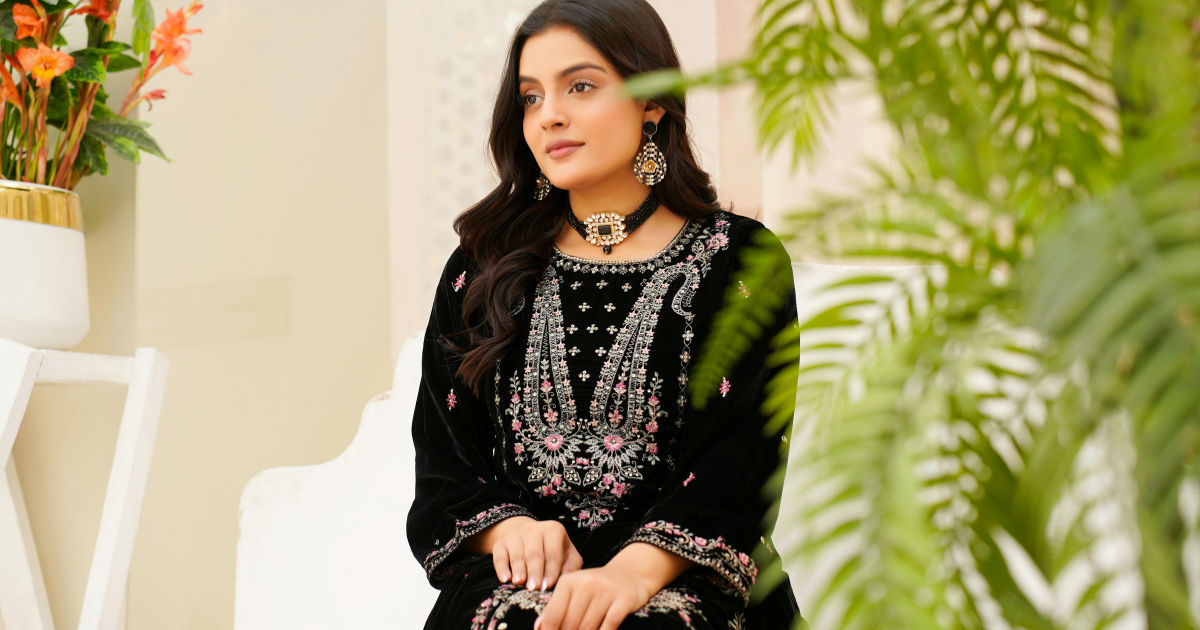
Over the years, the fashion industry in Pakistan has evolved significantly, introducing innovative silhouettes that appeal to both traditional and contemporary audiences.
Today, understanding the current Pakistani silhouette trends is essential for anyone who wants to stay stylish while embracing cultural roots.
In this guide, we will explore the latest trends, popular styles, and tips to incorporate them into your wardrobe.
The Rise of Minimalism in Pakistani Fashion
Minimalist designs have taken the Pakistani Fashion scene by storm. While elaborate embroidery and heavy embellishments have long been associated with traditional attire, there is now a growing preference for simpler, cleaner silhouettes. Minimalism focuses on sleek cuts, neutral colors, and subtle patterns.
A-line and straight-cut dresses are becoming increasingly popular for their versatile and comfortable fit. These silhouettes are perfect for casual wear, office attire, or semi-formal events. Minimalist Pakistani Fashion also emphasizes high-quality fabrics, such as lawn, cotton, and silk blends, which provide elegance without the need for excessive decoration.
Oversized and Relaxed Silhouettes
Another prominent trend in Pakistani Fashion is oversized and relaxed silhouettes. These include loose-fitting kurtas, wide-leg trousers, and flowy tunics that prioritize comfort without compromising on style. Oversized designs are ideal for hot weather, offering breathability while maintaining a chic appearance.
Layering has also gained popularity with oversized pieces. Long jackets, capes, and shrug-style overlays paired with traditional shalwars or trousers create a contemporary and fashionable look. The versatility of oversized silhouettes allows individuals to experiment with textures, colors, and lengths, making them suitable for both formal and casual occasions.
Sharara and Palazzo Trends
Sharara pants and palazzos are making a major comeback in Pakistani Fashion. These flared trousers add a dramatic flair to traditional outfits while maintaining a modern appeal. Shararas often feature detailed embroidery or embellishments, making them ideal for festive occasions like weddings and Eid celebrations.
Palazzos, on the other hand, are more versatile for daily wear or semi-formal events. They pair beautifully with long shirts, asymmetrical tunics, or crop tops. The wide-leg design of palazzos not only offers comfort but also elongates the legs, giving a sophisticated and graceful silhouette.
Asymmetrical and Layered Outfits
Asymmetry is a bold trend in Pakistani Fashion, bringing a contemporary twist to traditional clothing. Asymmetrical hemlines, layered tunics, and high-low cuts add visual interest and create a modern aesthetic. These silhouettes are perfect for individuals who want to make a fashion statement without straying too far from cultural roots.
Layered outfits are also highly popular. Layering involves combining multiple garments, such as long waistcoats over shirts or sheer overlays over plain dresses. This trend allows for creative expression and adds dimension to the overall outfit, making it both fashionable and versatile.
The Comeback of Straight Cut Kurtas
Straight cut kurtas have remained a timeless staple in Pakistani Fashion. However, recent trends have redefined them with modern touches. Designers are experimenting with asymmetrical hems, side slits, and subtle embroidery to elevate this classic silhouette.
These kurtas pair effortlessly with churidars, straight trousers, or even jeans for a fusion look. They are perfect for formal events, office wear, or casual outings, offering comfort, elegance, and a polished appearance.
Peplum Tops and Structured Silhouettes
Peplum tops are a chic addition to the Pakistani Fashion landscape. These tops flare at the waist, creating a flattering hourglass figure. Peplum styles are available in both traditional fabrics with embroidery and modern materials with minimal designs.
Structured silhouettes, including tailored blazers, waistcoats, and fitted shirts, are also gaining attention. They provide a sharp, sophisticated look and are ideal for fusion wear, combining Western elements with Pakistani cultural attire.
Emphasis on High Slits and Side Cuts
High slits and side cuts are redefining Pakistani Fashion by adding a hint of modernity to traditional outfits. Long shirts or kurtas with side slits allow for ease of movement while creating a fashionable and edgy look.
This trend is particularly popular in festive collections, where designers pair high-slit kurtas with sharara pants, straight trousers, or even skirts. The combination of traditional fabric with contemporary cuts makes these silhouettes versatile and eye-catching.
Statement Sleeves in Pakistani Fashion
Statement sleeves are a significant trend in modern Pakistani Fashion. Puffy sleeves, bishop sleeves, and bell sleeves add drama and elegance to an outfit. They are often paired with straight-cut kurtas, long shirts, or tunics to create a balanced silhouette.
Designers experiment with volume, embroidery, and sheer fabrics to make sleeves the focal point of the outfit. This trend allows fashion enthusiasts to add a playful or sophisticated element to traditional attire, keeping it fresh and exciting.
Indo-Western Fusion Silhouettes
Indo-Western fusion has become a defining trend in Pakistani Fashion. It combines Western cuts and tailoring with traditional Pakistani fabrics, prints, and embroidery. Examples include crop tops paired with lehengas, tailored jackets over kurtas, or shirt dresses with ethnic prints.
These fusion silhouettes are ideal for young adults who want to express their personal style while honoring cultural heritage. They are versatile, comfortable, and suitable for both formal and casual occasions.
Popular Fabrics Shaping Silhouettes
Fabric plays a crucial role in shaping Pakistani silhouettes. Currently, designers are leaning toward lightweight and breathable materials for summer collections, such as chiffon, organza, lawn, and cotton blends. For formal wear, silk, velvet, and satin remain popular choices.
Textured fabrics, like brocade or jacquard, enhance structured silhouettes and add a luxurious feel. Sheer fabrics are also being used in overlays and layered outfits to create depth and dimension. The careful selection of fabric ensures that the silhouette is both flattering and comfortable.
Accessorizing Current Silhouette Trends
No discussion of Pakistani Fashion is complete without mentioning accessories. Accessories can enhance or transform a silhouette. Statement earrings, layered necklaces, belts, and dupattas are commonly used to complement current trends.
Belts, in particular, are used to define the waist in peplum tops, layered kurtas, and oversized tunics. Dupattas are styled creatively over one shoulder, draped loosely, or left to flow freely to accentuate the outfit’s silhouette. Footwear like embellished sandals or pointed heels completes the look, ensuring the ensemble remains fashionable and cohesive.
Pakistani Fashion for Different Occasions
Current silhouettes cater to various occasions, from casual wear to festive and bridal collections. Minimalist straight-cut kurtas and palazzos are perfect for daily wear. Statement sleeves, high slits, and peplum tops are ideal for parties or semi-formal events.
Sharara pants, layered asymmetrical kurtas, and embellished outfits dominate wedding and festive collections. Designers focus on creating versatile pieces that can transition between day and night events, ensuring maximum wearability.
Sustainability and Ethical Fashion Trends
Sustainability is slowly becoming a priority in Pakistani Fashion. Many designers are emphasizing locally sourced fabrics, hand-embroidered embellishments, and eco-friendly production methods. Sustainable fashion encourages the creation of timeless silhouettes that are not only stylish but also environmentally responsible.
Investing in classic, versatile silhouettes ensures longevity in a wardrobe while supporting ethical fashion practices. This approach resonates with fashion enthusiasts who value both aesthetics and sustainability.
Tips to Incorporate Current Silhouette Trends
-
Mix and Match: Combine traditional and contemporary pieces for a unique look. Pair palazzos with embroidered kurtas or crop tops with shararas.
-
Experiment with Layers: Layered outfits add depth and interest. Try long jackets, capes, or sheer overlays over simple kurtas.
-
Accessorize Thoughtfully: Use belts, statement earrings, and dupattas to highlight the silhouette.
-
Choose the Right Fabric: Ensure comfort and style by selecting fabrics that suit the silhouette and occasion.
-
Play with Proportions: Oversized tops with fitted bottoms or high-slit kurtas with wide-leg trousers create balanced, fashionable ensembles.
Conclusion
Pakistani Fashion continues to evolve, blending tradition with modernity to create stunning silhouettes that cater to diverse tastes and occasions. Current trends such as minimalism, oversized cuts, sharara pants, peplum tops, asymmetrical outfits, statement sleeves, and Indo-Western fusion highlight the creativity and versatility of the Pakistani Fashion industry.
By understanding these trends, fashion enthusiasts can make informed choices that reflect both personal style and cultural heritage. Whether for daily wear, festive events, or weddings, embracing these silhouettes allows individuals to stay trendy while honoring the rich legacy of Pakistani Fashion.
Pakistani Fashion is not just about clothing; it’s a statement of identity, a reflection of creativity, and a celebration of culture. Staying updated with current silhouettes ensures that every outfit makes a statement, combining elegance, comfort, and contemporary appeal.