
When operating in the No RX Pharma space, safety must always come first. Whether you are managing distribution, overseeing compliance, or ensuring product integrity, a structured and detailed checklist is essential. The No RX Pharma industry deals with non-prescription pharmaceutical products, which are widely accessible to consumers. Because these products do not require a prescription, they must meet strict safety, labeling, storage, and quality standards to protect public health.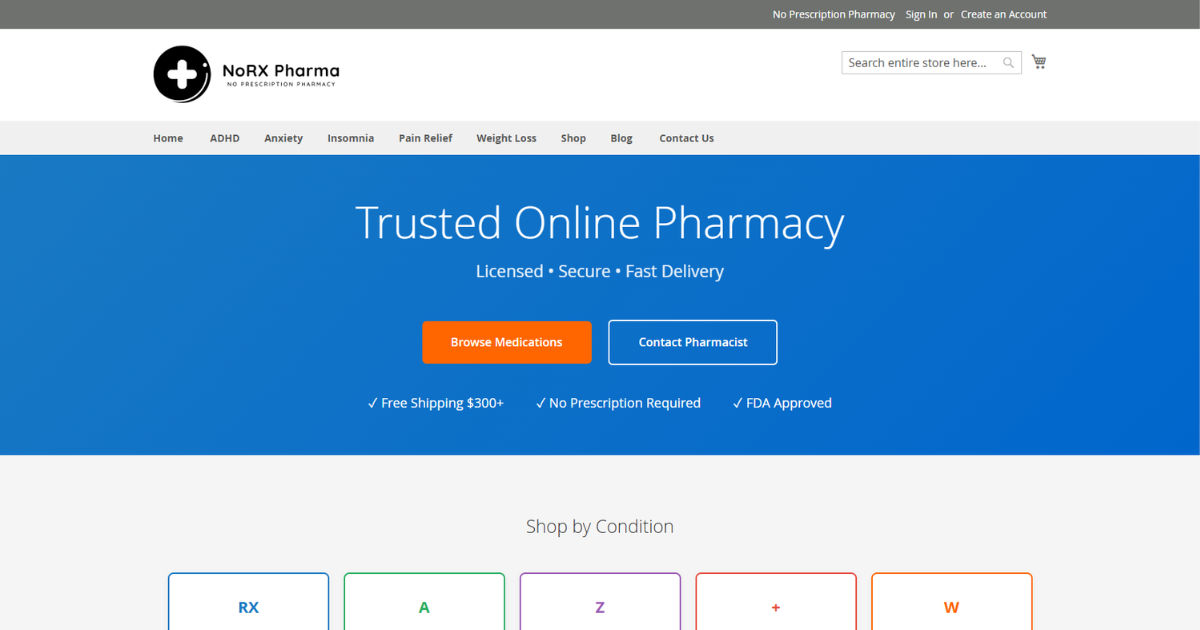
A well-designed No RX Pharma safety checklist helps prevent contamination, regulatory violations, and consumer harm. It also builds trust with customers and regulatory authorities. Without proper safeguards, even over-the-counter medications can pose serious health risks.
In this comprehensive guide, we will explore everything you should include in a complete No RX Pharma safety checklist. This guide is written in simple, easy-to-understand language for a 12th-grade audience.
Each section breaks down key areas of concern so you can create or improve your own safety plan for No RX Pharma operations.
Regulatory Compliance Requirements
Regulatory compliance is the foundation of any No RX Pharma safety checklist. Even though these products are sold without prescriptions, they are still regulated by national and international health authorities.
Licensing and Registration
Every No RX Pharma business must have the proper licenses to manufacture, distribute, or sell products. Your checklist should confirm:
-
Valid business registration
-
Up-to-date pharmaceutical permits
-
Regulatory authority approvals
-
Renewed licenses before expiration
Regular verification ensures your No RX Pharma operation remains legal and avoids penalties.
Adherence to Local and International Laws
Laws governing No RX Pharma products can vary depending on the country. Your checklist should include:
-
Compliance with labeling laws
-
Approved ingredient lists
-
Maximum dosage limits
-
Advertising restrictions
Failing to follow regulations in the No RX Pharma industry can lead to product recalls, fines, or business closure.
Product Quality Assurance
Quality control is one of the most critical elements in a No RX Pharma safety checklist. Since customers self-administer these products, consistency and purity are essential.
Supplier Verification
Your No RX Pharma checklist must confirm that all raw materials come from certified suppliers. Include:
-
Supplier audits
-
Certificates of analysis
-
Quality testing documentation
-
Batch traceability records
This ensures that every ingredient used in No RX Pharma products meets safety standards.
Batch Testing and Documentation
Each batch of No RX Pharma products should undergo:
-
Stability testing
-
Microbial testing
-
Potency verification
-
Contamination checks
Maintain clear documentation. If a problem occurs, your No RX Pharma checklist should allow quick product tracing and recall if necessary.
Proper Storage and Handling Procedures
Storage plays a major role in maintaining product safety in the No RX Pharma industry.
Temperature and Humidity Controls
Many No RX Pharma products are sensitive to environmental conditions. Your checklist should include:
-
Temperature monitoring systems
-
Humidity tracking logs
-
Alarm systems for storage deviations
-
Backup power supplies
Improper storage can reduce the effectiveness of No RX Pharma products and may create health risks.
Clean and Organized Facilities
A safe No RX Pharma environment requires:
-
Regular cleaning schedules
-
Pest control measures
-
Organized shelving
-
Clear labeling of inventory
Clean facilities reduce contamination risks and maintain product quality in No RX Pharma operations.
Labeling and Packaging Standards
Accurate labeling is critical in the No RX Pharma industry because consumers rely entirely on the information provided on the packaging.
Clear Usage Instructions
Your No RX Pharma checklist should verify that labels include:
-
Active ingredients
-
Dosage instructions
-
Age restrictions
-
Warning statements
-
Expiration dates
Clear instructions help consumers safely use No RX Pharma products without medical supervision.
Tamper-Evident Packaging
Tamper-evident packaging protects product integrity. Include checks for:
-
Safety seals
-
Secure caps
-
Protective blister packs
Tamper protection is a must-have safety element in any No RX Pharma checklist.
Employee Training and Safety
Well-trained employees are essential for maintaining standards in the No RX Pharma sector.
Training Programs
Your No RX Pharma checklist should confirm:
-
Regular safety training sessions
-
Compliance education
-
Proper handling procedures
-
Emergency response drills
Employees who understand safety guidelines help prevent costly mistakes in No RX Pharma operations.
Personal Protective Equipment (PPE)
Ensure your checklist verifies:
-
Gloves
-
Masks
-
Lab coats
-
Eye protection
Protective equipment safeguards both workers and No RX Pharma products from contamination.
Inventory Management and Tracking
Proper tracking prevents expired or defective products from reaching consumers.
Expiration Date Monitoring
Your No RX Pharma checklist must include:
-
First-in, first-out (FIFO) inventory systems
-
Expiry tracking software
-
Routine stock checks
-
Immediate disposal of expired items
Selling expired No RX Pharma products can damage your reputation and harm customers.
Recall Procedures
Every No RX Pharma operation needs a clear recall plan. Your checklist should ensure:
-
Quick identification of affected batches
-
Customer notification procedures
-
Documentation of corrective actions
-
Regulatory reporting steps
Preparation helps you respond quickly if a No RX Pharma issue arises.
Risk Assessment and Hazard Analysis
Risk management is a vital component of any No RX Pharma safety checklist.
Identifying Potential Hazards
Your checklist should evaluate:
-
Cross-contamination risks
-
Incorrect labeling
-
Storage failures
-
Supply chain disruptions
Regular risk assessments keep No RX Pharma operations proactive rather than reactive.
Preventive Controls
Include preventive measures such as:
-
Quality audits
-
Random inspections
-
Automated monitoring systems
-
Internal compliance reviews
Preventive strategies strengthen No RX Pharma safety standards.
Consumer Education and Transparency
Because No RX Pharma products are self-selected, educating consumers is crucial.
Providing Accessible Information
Your checklist should verify:
-
Easy-to-read labels
-
Customer support contact details
-
Website FAQs
-
Clear return policies
Transparency increases consumer trust in No RX Pharma products.
Monitoring Customer Feedback
Collecting feedback helps improve safety. Include:
-
Complaint tracking systems
-
Adverse event reporting procedures
-
Product review analysis
Listening to customers strengthens No RX Pharma safety and quality.
Digital Security and Online Sales Protection
Many No RX Pharma products are sold online. Digital safety must be part of your checklist.
Secure E-Commerce Platforms
Your No RX Pharma checklist should confirm:
-
Secure payment systems
-
SSL certification
-
Fraud detection software
-
Customer data protection policies
Online sales must protect both customers and No RX Pharma business data.
Counterfeit Prevention
Counterfeit products pose serious risks in the No RX Pharma market. Include:
-
Unique product codes
-
QR verification systems
-
Authorized distributor lists
-
Anti-counterfeit monitoring
Preventing fake No RX Pharma products protects public health.
Environmental Responsibility
Sustainability is increasingly important in the No RX Pharma industry.
Safe Waste Disposal
Your checklist should include:
-
Proper chemical disposal
-
Safe destruction of expired stock
-
Recycling programs
-
Environmental compliance checks
Responsible waste management ensures No RX Pharma businesses do not harm the environment.
Sustainable Packaging
Consider eco-friendly materials and reduced plastic usage in No RX Pharma packaging where possible.
Emergency Preparedness Planning
Unexpected situations can occur in any No RX Pharma operation.
Crisis Management Plans
Your checklist should include:
-
Fire safety procedures
-
Natural disaster planning
-
Product contamination response
-
Communication strategies
Preparedness protects both employees and customers in the No RX Pharma industry.
Regular Drills
Conduct routine safety drills to ensure readiness in No RX Pharma facilities.
Documentation and Record Keeping
Proper documentation supports accountability and transparency.
Organized Record Systems
Your No RX Pharma checklist should confirm:
-
Digital backups
-
Secure storage of records
-
Audit-ready documentation
-
Clear version control for procedures
Strong documentation systems protect No RX Pharma businesses during inspections.
Ethical Marketing and Advertising
Marketing must remain truthful and responsible.
Honest Claims
Your checklist should ensure:
-
No misleading health claims
-
Accurate ingredient descriptions
-
Clear disclaimers
-
Regulatory approval for advertisements
Misleading marketing in No RX Pharma can cause legal issues and consumer harm.
Continuous Improvement Strategies
Safety is not a one-time effort. It requires constant evaluation.
Regular Audits
Conduct internal and third-party audits of your No RX Pharma systems.
Updating the Checklist
Your No RX Pharma safety checklist should evolve with:
-
New regulations
-
Updated industry standards
-
Technological improvements
-
Consumer feedback trends
Ongoing improvement strengthens long-term success in No RX Pharma operations.
Building a Culture of Safety
A strong safety culture ensures everyone prioritizes protection.
Leadership Commitment
Management must actively support No RX Pharma safety policies.
Employee Accountability
Each worker should understand their role in maintaining No RX Pharma standards.
Conclusion
Developing a comprehensive No RX Pharma safety checklist is essential for protecting consumers, employees, and your business. From regulatory compliance and quality control to digital security and environmental responsibility, every detail matters.
The No RX Pharma industry may deal with non-prescription products, but that does not mean the risks are low. In fact, the wide accessibility of these products makes safety even more important. Consumers trust that No RX Pharma items are safe, effective, and properly labeled. Meeting that trust requires strict adherence to detailed safety procedures.
A strong No RX Pharma checklist should include regulatory compliance, supplier verification, batch testing, secure storage, accurate labeling, employee training, inventory tracking, recall readiness, digital security, environmental responsibility, and continuous improvement. Each section supports a larger goal: protecting public health.
When businesses commit to maintaining high standards in No RX Pharma operations, they not only reduce risk but also strengthen their brand reputation. Safety should never be viewed as an extra step. It is the core of responsible pharmaceutical distribution.
By implementing and regularly updating your No RX Pharma safety checklist, you create a system that promotes accountability, transparency, and long-term success. A thorough approach ensures that No RX Pharma products remain reliable, trusted, and beneficial for consumers everywhere.