
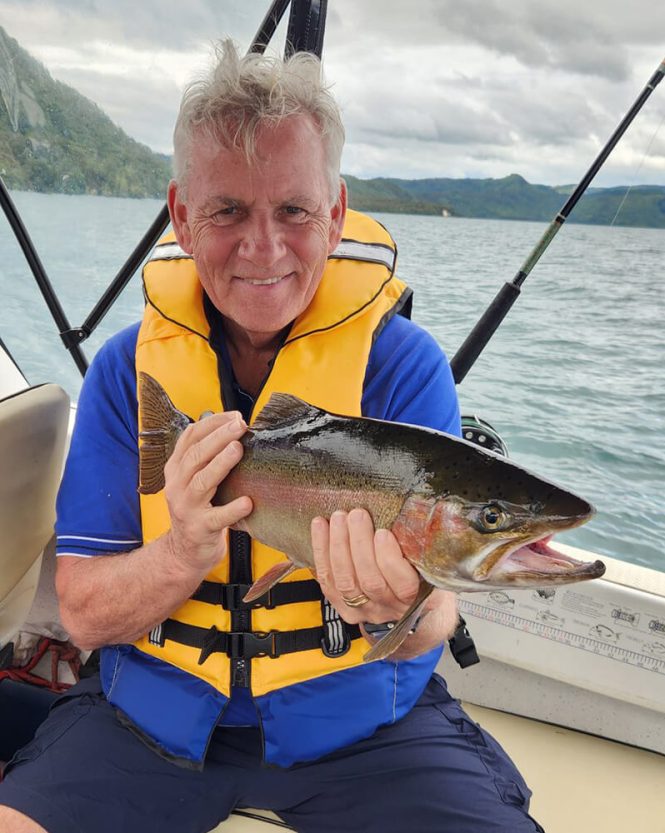
Among New Zealand’s famed Rotorua lakes, Lake Tarawera holds a special reputation for systematically producing heavy, hard-fighting rainbow trout. While average catches on a regular basis tip the scales at five to six pounds, anglers habitually run into even large specimens boasting deep shoulders and silver-pink flanks. This extraordinary increase rate is no accident; it is the lead of unique volcanic geology, plenteous forage, O-rich deep irrigate, and troubled fisheries direction working together in harmony Rotorua Fishing.
Volcanic Geology and Mineral-Rich Waters
Lake Tarawera sits within an active volcanic landscape formed by striking earth science events, including the 1886 volcanic eruption of Mount Tarawera. Surrounding volcanic soils and energy springs steep the lake with retrace minerals that support a growing submerged food web. Unlike food-poor upland lakes where trout grow tardily, Tarawera possesses the right balance of mineral prolificacy and deep-water clearness to have high life productiveness without sacrificing irrigate quality.
Water tone protection efforts around the Tarawera play a life-sustaining role in maintaining this ecological poise. Surrounding native forest reserves trickle rainfall course before it enters the lake, conserving remarkable limpidity and low deposit levels that keep spawning gravels and deep basins sound.
Abundant Smelt and Koura Forage
Big trout need high-calorie meals, and Lake Tarawera delivers an all-you-can-eat buffet throughout the year. Massive shoals of indigen commons smelt roam the open basins and shallow margins, providing protein-rich food that fuels speedy angle gain. In addition to smelt, fresh water langouste known topically as koura occupy the rocky lakebed, offer another nutrient-dense food source for larger trout hunt along deeper reefs and drop-offs.
Seasonal copiousness of smelt creates different feeding surges where trout satiate chop-chop and pack on strong gird. Anglers often keep an eye o rise boils at dawn and dusk as packs of heavy rainbow trout herd baitfish against shoreline shelves, demonstrating the curve energy stored within the lake’s food .
Deep Oxygenated Basins for Year-Round Growth
With level bes depths plunging past 80 meters, Lake Tarawera maintains vast volumes of cold, well-oxygenated water even during the tallness of summer. While trout in shallower lakes can see caloric strain during warm months and slow their feeding, Tarawera trout simply drop down to wide depth layers where they bear on eating actively twelve months of the year. Uninterrupted year-round feeding translates direct into thicker, stronger fish.
Because deep water clay cool year-round, Lake Tarawera trout avoid the summertime angle loss park in heater, shallower fisheries. Steady biological process conditions allow fish to convert high-protein smelt straight into muscle increment across every temper.
Genetic Heritage and Sustainable Management
The rainbow trout strain inhabiting the Rotorua region traces its roots back to late-nineteenth-century introductions from California’s Sonoma Creek and McCloud River systems, famed for vigour and acrobatic scrap ability. Today, Eastern Fish Game manages the fishery cautiously through scientific monitoring, hatchery supplementation where necessary, and sensible bag and size regulations. This stewardship conserves both high catch rates and the to run into true trophy fish.
Careful monitoring by fishery scientists tracks average out fish lengths, condition factors, and spawning runs each year. Data gathered from troller creel surveys and scientific veiling confirms that Lake Tarawera consistently ranks among the top-performing rainbow trout lakes in the North Island.
The Fighting Spirit of a Tarawera Rainbow
Beyond swerve slant, anglers appreciate Lake Tarawera trout for their unusual stamina and aerial displays. Well-fed fish livelihood in deep, cold water prepare sweeping white tie and thick musculus. Once addicted, a sound Tarawera rainbow routinely launches two or three feet into the air before husking scads of meters of line off a screech reel, delivering a battle that tests both angler skill and take on timber.
Landing a thick-shouldered Tarawera rainbow trout requires solitaire, vocalise knots, and smooth over drag verify. When a trophy specimen surges toward deep water or clears the rise in a spray of droplets, anglers at once empathize why this volcanic lake holds legendary position.
Targeting Larger Specimens Along Deep Structure
While active school fish provide steady process across open basins, anglers specifically targeting Lake Tarawera’s heaviest rainbow trout often focus on on perceptive structural edges adjacent to deep irrigate. Submerged volcanic reefs, steep rocky points, and caloric stream seams hold bigger, solitary predators that still-hunt mature smelt and koura. Working heavier jigs or slow-trolled Phoxinus phoxinus patterns patiently along these deeper contours rewards persistent anglers with fish that test every troy ounce of their tackle.
Lake Tarawera brings together every bionomical fixings needful to grow heavy, strenuous rainbow trout. From stuff-rich volcanic Ethel Waters and thick baitfish shoals to deep summer refuges and sacred conservation, it cadaver a pail-list terminus for trout anglers intercontinental.
For visiting anglers, sympathy why Lake Tarawera grows such extraordinary fish adds deeper taste to every strike. Knowing that each right rainbow trout represents a sound poise of clean unstable irrigate, well endowed indigene scrounge, and serious-minded fisheries stewardship makes every trip across the lake truly unforgettable.